

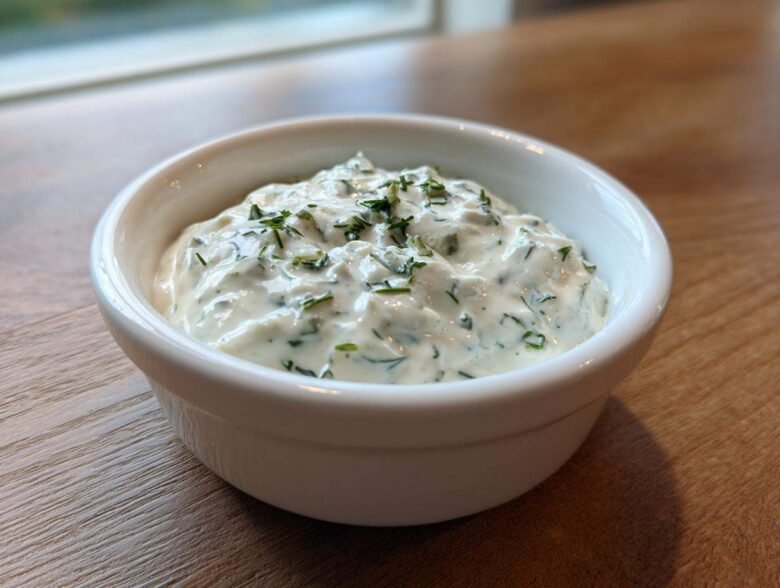
If you’re like me, you look forward to fish night all week, but then you open the fridge and pull out that jar of store-bought tartar sauce. Ugh. It’s usually thin, dull, and tastes suspiciously like plastic. Noah and I decided that just wasn’t strategic enough for our little Epicure Empire! We mapped out a plan to conquer this condiment catastrophe, and honestly, it’s the easiest blueprint we’ve ever executed. I’m talking about the absolute best, freshest tartar sauce recipe you will ever make, ready to go in under 10 minutes. Never settle for bland sauce again—this zesty, creamy topping will transform your dinner instantly!
Why This Is the Best Tartar Sauce Recipe You Will Ever Need
Honestly, once you make this homemade tartar sauce, you’ll throw out whatever sad jar you currently have hiding in the fridge door. I’ve done the testing, sourcing both the store-bought stuff and trying dozens of restaurant versions. The result? Nothing beats the taste of making it yourself. It’s just simply superior. If you ever need to get in touch about our culinary strategy, don’t hesitate to reach out via our contact page!
- It’s intensely **fresh tartar sauce**. You can actually taste the bright lemon and the sharpness of the capers, flavors that just disappear in a jarred product.
- The texture is exactly what you want: rich, thick, and perfectly creamy, not watery or oily.
- It creates the perfect **tangy condiment** that brightens up fried foods instantly.
Speed and Simplicity: The Easy Tartar Sauce Recipe Promise
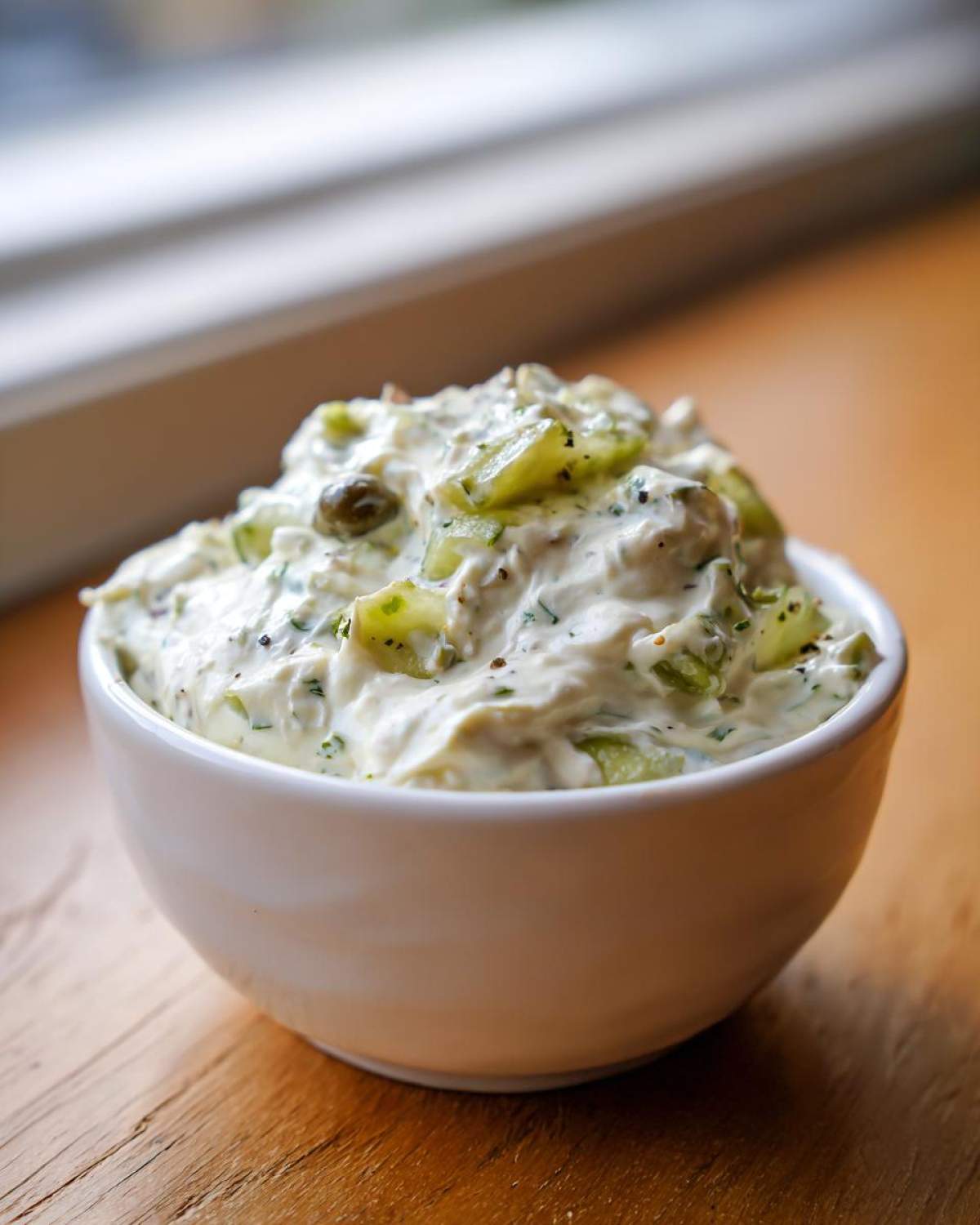
This is where Noah and I truly get excited. We spent ages trying to overcomplicate simple things, remember? Well, this recipe breaks that habit. We are talking maybe five minutes of prep time, tops. That’s right, this **easy tartar sauce recipe** requires almost zero strategy or heavy lifting. You just mix stuff! You can whip this up faster than it takes to drive to the store to buy a replacement jar. It truly is a **quick sauce to make**!
Gathering Ingredients for Your Classic Tartar Sauce Recipe
Okay, for this tartar sauce recipe, the key to that fresh flavor—the thing that separates this masterpiece from the sludge in the supermarket—is ingredient quality. We treat our condiments like we treat our main courses, so you need to select your base wisely. You absolutely must start with a good quality mayonnaise. If you’ve been looking for an excuse to try making your own, now is the time! Check out our guide for blender mayonnaise; it makes a huge difference here.
For everything else, precision matters because we are keeping it simple. Remember, we are aiming for a classic flavor profile that needs balance. Get out your sharpest little knife because we need things finely chopped, not roughly hacked.
- 1 cup good quality mayonnaise (Don’t skimp here!)
- 1/4 cup finely chopped dill pickles or sweet pickle relish (Your choice, see below for strategy!)
- 2 tablespoons finely chopped capers (Drain those little guys well first.)
- 1 tablespoon fresh lemon juice (Yep, fresh. Not out of a bottle, please!)
- 1 teaspoon Dijon mustard (For that little bit of background spice.)
- 1/4 teaspoon black pepper
- A tiny pinch of salt, maybe (We generally skip this since the pickles and capers are salty enough.)
Ingredient Notes and Substitution Tips
This is where you can really customize your **zesty tartar sauce** while keeping the core blueprint intact. My favorite part is deciding between dill pickles or sweet relish—it completely changes the vibe!
- Pickles vs. Relish: If you choose dill pickles, you get a sharper, more aggressively tangy flavor. If you go for sweet relish, which is what my cousin usually insists on, you get a sweeter, more classic bar sauce profile. For folks leaning toward a lower-carb lifestyle, definitely stick to the dill pickles; sweet relish adds a surprising amount of sugar, so you avoid that entirely with dill if you’re managing that, making it a great **keto tartar sauce** option.
- Boosting Creaminess: If you want an even richer texture, especially if your mayo is a lighter variety, use the substitution notes! You can swap out 1/4 cup of the mayo with sour cream or plain Greek yogurt. It deepens the complexity wonderfully.
- Freshness Factor: Don’t forget fresh herbs! We often throw in a teaspoon of fresh dill if we have it. It makes the sauce feel even more vibrant.
Step-by-Step Instructions for the Perfect Tartar Sauce Recipe
Okay, we have our high-quality ingredients lined up. Now comes the truly strategic part—the assembly! This is where Lena, the Chief of Operations here at Epicure Empire, ensures we stick to the plan for maximum flavor return. We aren’t dealing with complex emulsion like making mayo from scratch, thank goodness, but we still need to follow the order of assembly just right.
First things first: grab a medium bowl. Dump everything in there except, potentially, that tiny pinch of salt if you decided on salty pickles. We want all the major flavor contributors—the mayo, the pickles/relish, the capers, the Dijon, and that fresh lemon punch—to meet simultaneously so they can start mingling. If you’re interested in whipping up other fresh, 5-minute creamy recipes while you wait for this to chill, you should totally check out our guide for avocado egg salad!
Get your spoon and stir it around. You are looking for uniformity. We need all those tiny chopped bits suspended nicely in that creamy base. Don’t go crazy whipping it like you’re trying to make meringue! Gentle, thorough mixing is the name of the game here.
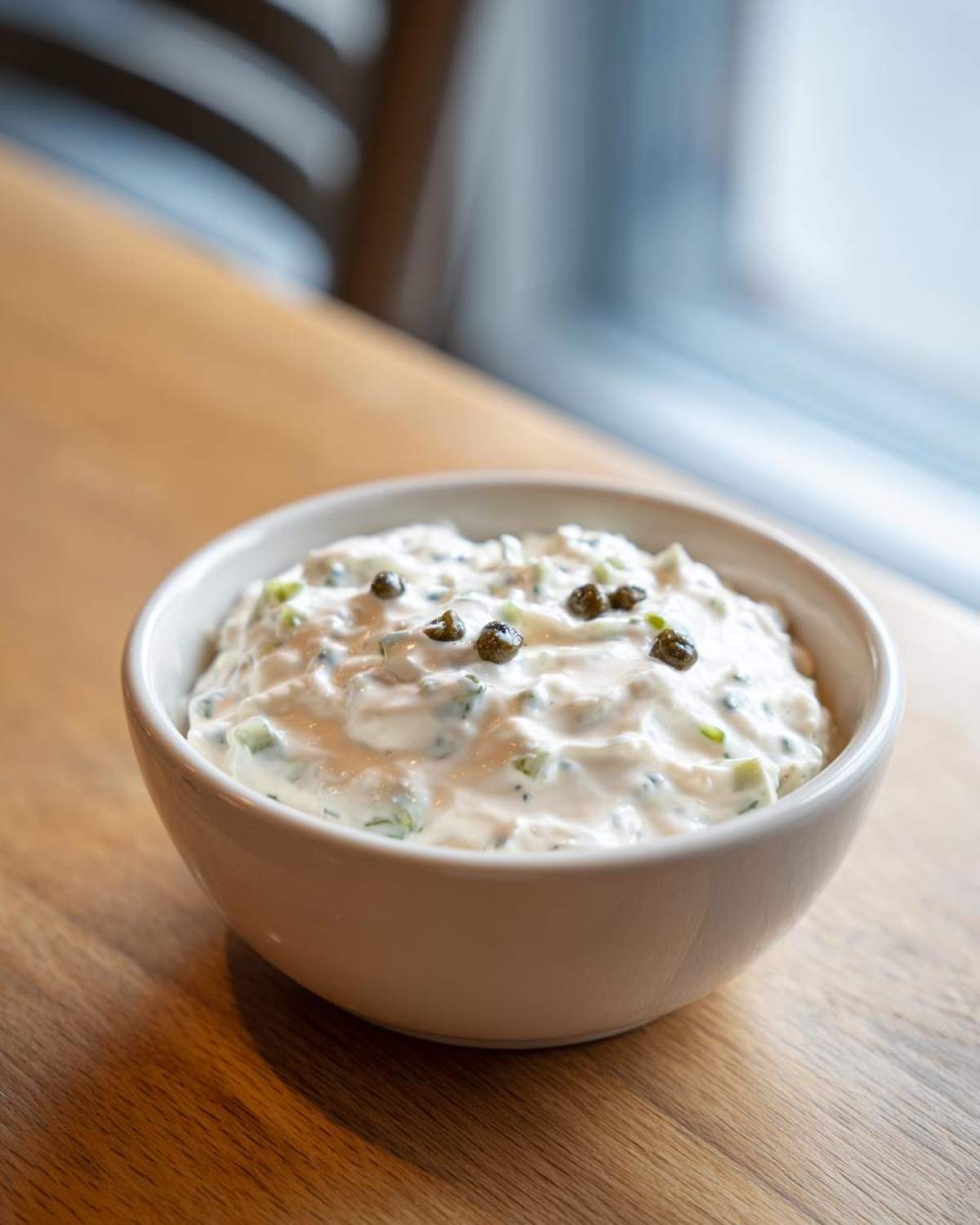
Once everything looks combined—you see no separate streaks of mustard or globs of mayo—taste it! This is mandatory. Does it need a little more zing? Add a few more drops of lemon juice until *you* think it’s perfect. Trust your palate; that’s how Noah figured out the perfect spice ratio for our famous dry rub!
Now for the most critical, yet hardest, part of the whole tartar sauce recipe: waiting. Cover that bowl tightly and put it in the fridge. I know, I know, you are probably making this because crispy fish is already waiting, but you absolutely have to chill this for at least 30 minutes. Why? Because the flavors need time to marry. The tartness of the lemon mellows slightly, and the saltiness from the capers starts to integrate into the mayonnaise. If you skip this, it tastes like ingredients tossed together. If you wait, you get a harmonious **seafood sauce recipe**.
Achieving the Ideal Creamy Dipping Sauce Texture
The texture goal here is thick but luxurious. Since we’re using good quality, full-fat mayonnaise, achieving that perfect **creamy dipping sauce** consistency is usually automatic. You should be able to dip a chip or a cold piece of shrimp into it, and the sauce should cling beautifully without sliding right off.
If, heaven forbid, you used a very thin mayonnaise or added too much lemon juice and it feels a little loose, don’t panic! You can thicken it right up. Just scrape out a tablespoon of the sauce into a tiny spare dish, mix in about a quarter teaspoon of cornstarch (if you’re not worried about keeping it strictly low-carb), and quickly whisk that slurry back into the main bowl. Stir briskly until thickened. Usually, though, a generous mix-in of finely chopped pickles does the trick naturally by adding body without needing any culinary tricks. I often find the chilling time actually helps firm things up too, so resist the urge to “fix” the texture before it’s had its time to chill!
Serving Suggestions: What Pairs Best with This Tartar Sauce Recipe
Now that we’ve strategically armored ourselves with the best tartar sauce recipe possible, the real fun begins—putting it to work! This sauce is so bright and balanced that it begs for something crispy and golden to cut through its richness. We developed this specific blueprint aiming squarely for seafood perfection, but honestly, it works on everything.
When Noah is planning our Friday night fish fry—which is a weekly event here at the empire—this sauce is the star side dish, hands down. It elevates everything from simple frozen fish sticks (we all have those nights!) to the fanciest pan-seared halibut. You’ll find this is the ultimate **sauce for fried fish** because that tanginess just cuts right through the oil so beautifully.
The Seafood Lineup
First up, you absolutely have to try it with crab cakes. Our recipe for homemade crab cakes is amazing, but let’s be real—the sauce is half the battle! Drizzle this generously over your patties. It’s also spectacular alongside crispy fried shrimp or scallops. If you’re looking for another quick seafood win that needs a killer dip, you should check out how we make our crispy coconut shrimp.
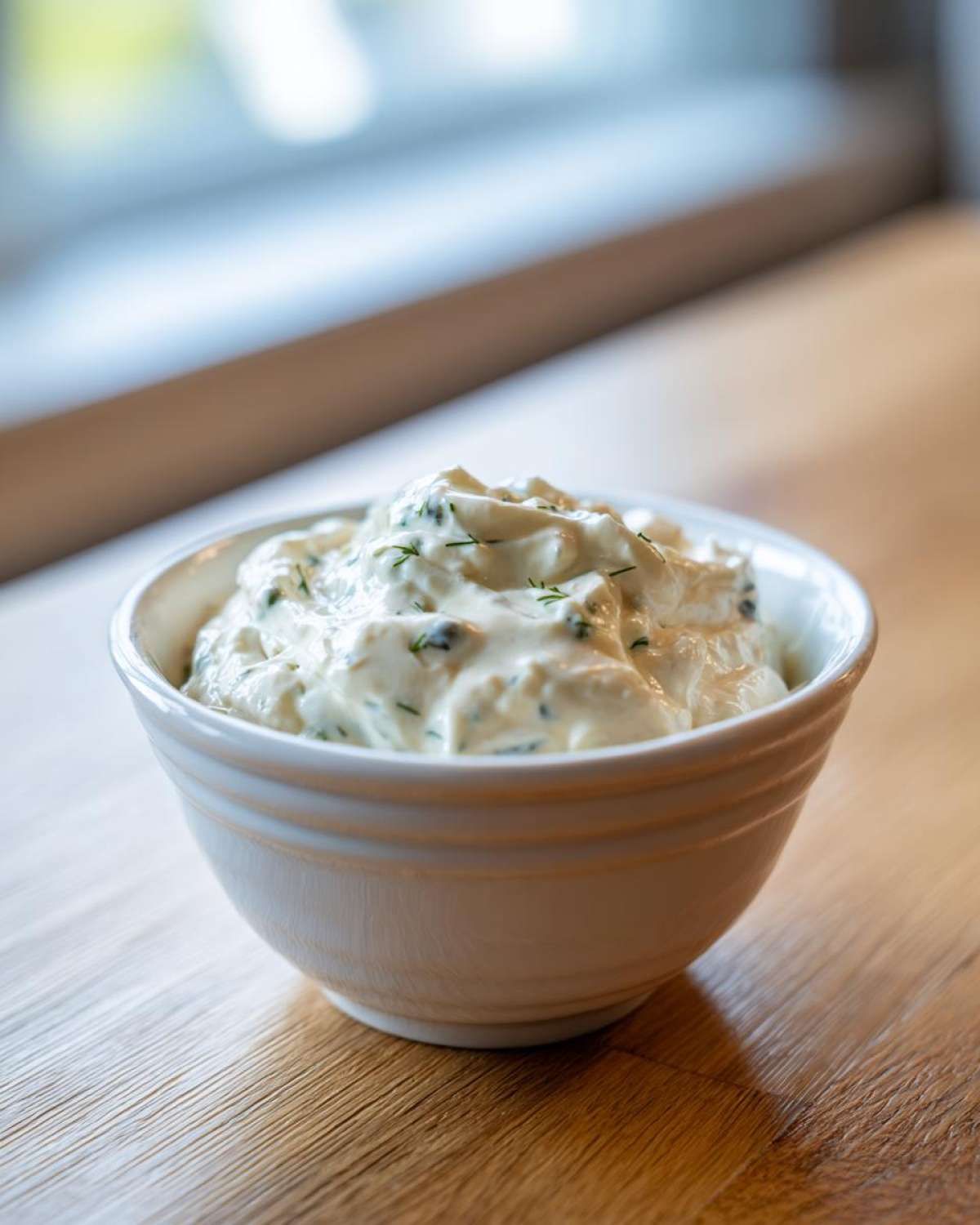
But don’t stop at the ocean! This is a fantastic, creamy, dippable topping. It’s honestly one of the best things to dunk thick-cut french fries into—way better than plain ketchup, trust me on this one. Think of it as a superior upgrade to the standard burger spread, too. A thin layer on a soft roll is amazing.
Beyond the Fried Favorites
Since we perfected this version to be so fresh and zesty, it’s great for things that aren’t fried at all. I love using it in place of mayonnaise on lunch sandwiches. Try it on a thick slice of cucumber or even on hard-boiled eggs for a super-powered egg sandwich. If you’re working on a taco night, it works wonderfully with shrimp tacos; see our inspiration guide for easy shrimp tacos!
A lot of folks online rave about how this works for dipping vegetables, and I agree. Raw carrots, celery, or even blanched asparagus spears dipped in this feel fancy and fresh. If you want to see another recipe that relies on mixing simple ingredients fast, check out the fantastic results people are getting with this recipe for inspiration on serving!
Tartar Sauce Variations: Make Your Own Tartar Sauce Unique
We’ve established the perfect, classic blueprint for this **tartar sauce recipe**, but you know Noah and I—we can’t leave things alone completely! Once you’ve mastered the basic mix, this is where you can really start adding your own strategic flair to create your signature flavor. Think of this as iteration number two for your empire. We want options for everyone, right?
The beauty of a simple, fresh base like this is how easily it accepts extra layers of flavor. We’re talking about taking this from a standard side dish to a truly customized, **zesty tartar sauce** that reflects your own palate. Don’t worry about messing it up; if you hate an addition, just stir it out or make a smaller test batch next time. That’s how all the best recipes evolve!
If you check out other excellent recipes out there, like the one from Lyrale, you’ll see great ideas, but I encourage you to start with what you have on hand. Here are a few ways we like to mix up our **tartar sauce variations** when we’re feeling adventurous:
- Herbal Boost: This is my go-to move! Adding finely snipped fresh herbs adds so much life. A teaspoon of fresh dill, as I mentioned before, tastes amazing, but fresh parsley or even a little chive gives it a lovely green flecked look and a milder onion flavor.
- Extra Heat Kick: For those nights when we’re having grilled fish instead of fried, we need a bit of spark. A tiny dash of your favorite hot sauce stirred in works wonders to give it a little warmth. Or, if you want a cleaner heat, mix in a few shakes of cayenne pepper right near the end.
- Smoked Element: Seriously, try this once! For a deeply savory, almost barbecue-like note that works amazingly well on grilled salmon or even chicken, stir in 1/2 teaspoon of smoked paprika. It totally transforms this **tangy condiment**.
- Sour Power Upgrade: If you didn’t use dairy substitutes in the main recipe, you can still boost the tanginess by adding 1/2 teaspoon of capers juice (the liquid from the jar, not the chopped bits!) for an intense pop of brine, or a splash of apple cider vinegar if you want to skip the lemon juice for a day.
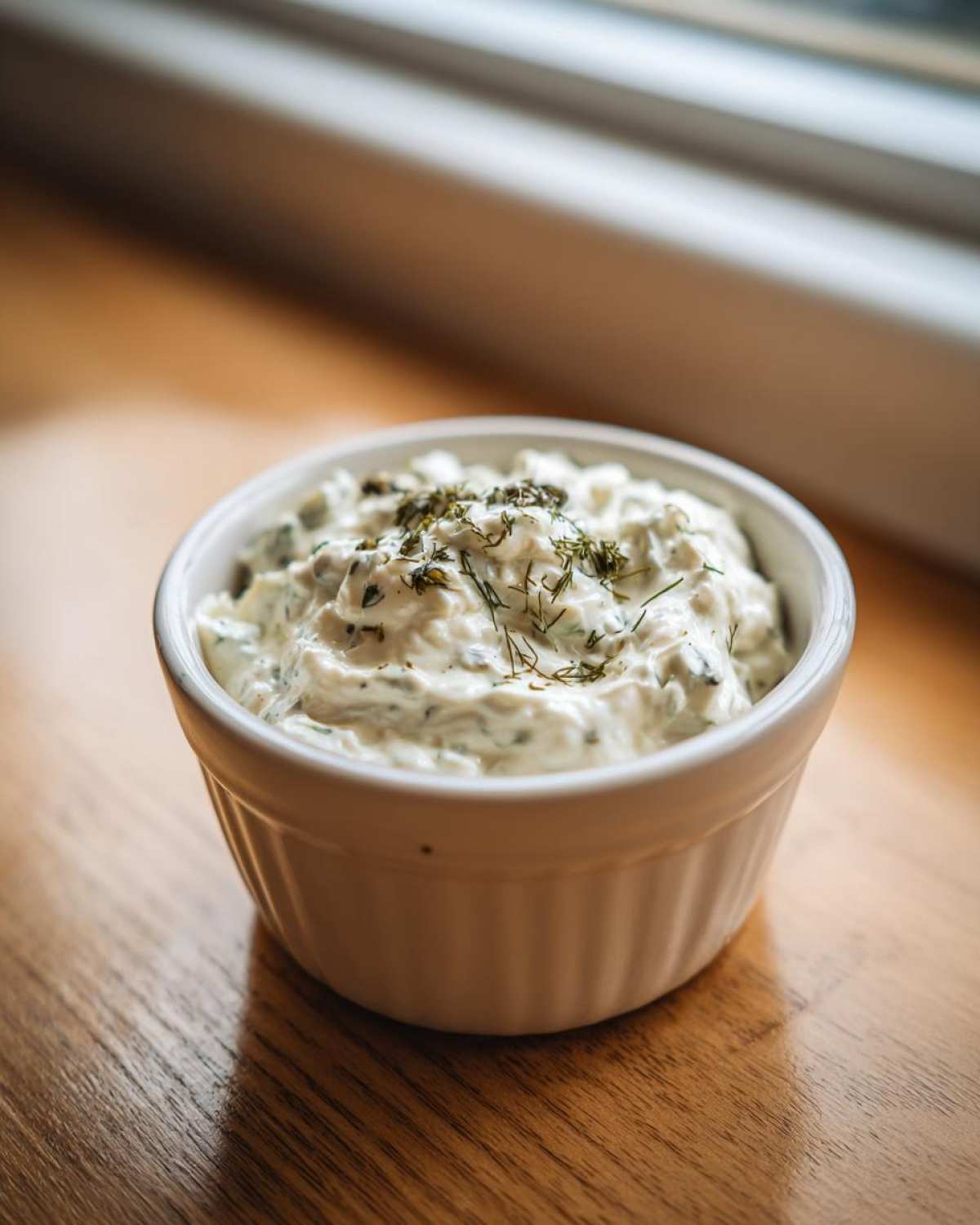
Remember, the more you play with these **homemade condiments**, the better you get at balancing the core three elements: the creaminess of the mayo, the tang of the acid (lemon/pickle), and the salinity of the capers. Enjoy experimenting!
Storage and Reheating Instructions for Fresh Condiments
Just like any masterpiece in our Epicure Empire, this homemade tartar sauce needs proper storage to maintain its peak performance! Because we skipped all those commercial preservatives and used fresh lemon juice and chopped ingredients, this sauce is designed to be eaten soon after you make it. If you’re planning a huge fish fry on Saturday, I recommend mixing it up Thursday night or Friday morning.
If you cover that bowl tightly—and I mean *tightly*, use plastic wrap pressed right down onto the surface of the sauce—it should last beautifully in the refrigerator for about one week. After about day five or six, you might notice the flavors start to get a little too integrated, and the sharpness fades just a touch, but it’s still perfectly safe and delicious. We want that bright, zesty kick, so aim to use it up within seven days, okay?
Now, a crucial strategic note from the kitchen: do not, under any circumstances, try to reheat this sauce. I know some people reheat gravy or other sauces, but mayo is an emulsion, and heat breaks it down instantly. You’ll end up with separated, oily liquid, and nobody wants that sad outcome on their plate after all that hard chopping work! If you are making a huge batch and want some later, the best bet is to freeze only the solid ingredients—drained pickles and capers—and then whisk them into fresh mayo later when you need a batch. Freezing the finished sauce is just asking for trouble.
If you find yourself needing a quick fix for a slightly dull batch after a few days in the fridge, you don’t need to throw it out! Just add a very small splash of fresh lemon juice or even a tiny bit more Dijon mustard. It gives the flavor profile the kick it needs to feel newly assembled. While you’re thinking about other fresh components, we’ve been working on a great staple dish that relies on fresh ingredients too, check out our blueprint for homemade hamburger helper when you have time!
Frequently Asked Questions About Homemade Condiments
I know that when you’re building your culinary empire, questions always pop up before you execute the final dish. Noah and I spent long hours perfecting the strategy on this, so I wanted to address some of the common things people ask about making their own classics. It’s all about strategy, right?
Can I make a super quick, 3 ingredient tartar sauce?
Yes, you absolutely can! If you are truly in a bind and need that flavor profile instantly—maybe you just burned the fish and realized you were out of dip—you can totally cheat a bit. To make a **3 ingredient tartar sauce**, you just need great quality mayonnaise, your favorite finely chopped pickles or relish, and fresh lemon juice. That’s it! Mix those three elements, and you have a perfectly serviceable, though slightly less complex, sauce. If you want to see another recipe that focuses on extreme simplicity, check out this quick recipe for inspiration!
How long does this sauce last once I make it?
Because we are using fresh ingredients—especially that fresh lemon juice—this **fresh tartar sauce** doesn’t have the shelf life of a jarred product. I recommend making it no more than about 7 days in advance. It’s so much better when it’s younger, so aim to use it within the week. Remember what I said earlier: refrigeration is key, and make sure you press plastic wrap right onto the surface to lock out any air. If it starts to look dull or you notice any liquid starting to separate, that’s your cue to toss it and start a new, small batch.
What is the difference between using pickles versus relish in this recipe?
This is such an important distinction when seeking the **best tartar sauce** experience! The difference is flavor complexity and sweetness. If you just chop up regular dill pickles, you get an assertive, vinegary, and distinctly savory flavor throughout. It makes a very sharp, tangy condiment that I absolutely love with fried shrimp.
If you use sweet pickle relish, you are introducing sugar into the mix. This results in a rounder, sweeter flavor profile that many people associate with classic, diner-style tartar sauce that goes perfectly on a simple **sauce for fried fish**. It’s really down to what you prefer for your **seafood sauce recipe**. For my personal taste, I usually lean towards the dill pickles for that extra zip!
Why do I need to chill the sauce for 30 minutes if it’s just mixing?
This is one of those fundamental culinary secrets that separates a good sauce from a great one! You are essentially doing this to give the ingredients time to harmonize. Think of it like letting a small planning meeting run its course before launching the big project. The sharp acidity of the lemon juice mellows slightly when it sits with the richer mayonnaise, and the salt from the capers blooms evenly through the whole mixture. If you skip the chill time, you get distinct, separate flavors. When you wait, you get a unified, cohesive, **creamy dipping sauce** that tastes like it took hours to prepare, even though it only took minutes!
Nutritional Information Estimate
Okay, team, let’s talk details. When we create a blueprint here at Epicure Empire, we try to give you the whole strategic overview, and that includes understanding what you are putting into your body. Since this is a homemade tartar sauce recipe, nutrition can vary a tiny bit depending on which brand of mayonnaise you opt for (full-fat vs. light, etc.), but Noah worked up a solid estimate for us based on standard full-fat mayo. This gives you a baseline for tracking.
This information is based on the specified serving size of just two tablespoons, which is honestly a generous amount for one person’s fish fillet! Remember, since we are skipping all those preservative-laden store versions, you are getting cleaner ingredients, even if the fat content is higher because of the mayo base. If you are tracking things closely, you might want to check out our guide on high-protein cottage cheese egg bites for a different side of the nutrition spectrum!
Here is the breakdown for a 2-tablespoon serving:
- Serving Size: 2 tbsp
- Calories: About 135
- Fat: Around 14 grams (Keep in mind this comes mainly from the high-quality mayonnaise base!)
- Saturated Fat: Roughly 2.5 grams
- Carbohydrates: Just 1 gram (Unless you use sweet relish—check your ingredients!)
- Sugar: Only 1 gram (Again, mostly coming from the relish, so dill pickles keep this very low.)
- Protein: Almost negligible, hitting near 0 grams.
- Sodium: Approximately 250mg (This is where those pickles and capers contribute, so taste before adding extra salt!)
As is standard practice when we present these figures for our classic sauce recipe, please remember these are estimates! If you swap out mayo for Greek yogurt occasionally, your calorie count and protein macros will shift dramatically. But for the pure, delicious tartar sauce recipe we outlined, this should give you a very reliable look at the final figures. Happy strategizing!
Share Your Culinary Strategy
Whew! We’ve officially gone through the entire operational blueprint for building the best tartar sauce right in your own kitchen. I truly hope you feel equipped to ditch those boring jars forever. Building this empire is a partnership, you know? Noah and I develop the strategy, but you execute it, and we learn so much from how you all apply these techniques!
We would absolutely love to hear about your results. Did you stick strictly to the classic blueprint? Or did you incorporate some of those exciting **tartar sauce variations** we talked about? Did you use fresh dill? Did you swap the mayo for yogurt? Don’t keep your genius strategy to yourself!
Please take a moment to click over to the comments section below. Leave us a rating (five stars if it blew your mind, which I suspect it will!) and tell us exactly what you paired it with. Is it your new favorite **sauce for fried fish**? Drop us a photo if you can!
If you’re feeling inspired and ready to tackle the next delicious project—maybe a new side dish or another essential condiment—head on over to the main page. You can browse all our proven blueprints and start building your own delicious world over at the main Epicure Empire blog. Happy cooking, and thank you for helping us build this kingdom of flavor!
PrintEasy, Classic Homemade Tartar Sauce Recipe
Make fresh tartar sauce at home in minutes. This creamy, tangy condiment is perfect for fried fish, crab cakes, or as a zesty dipping sauce.
- Prep Time: 5 min
- Cook Time: 0 min
- Total Time: 35 min
- Yield: About 1.25 cups
- Category: Condiment
- Method: Mixing
- Cuisine: American
- Diet: Vegetarian
Ingredients
- 1 cup good quality mayonnaise
- 1/4 cup finely chopped dill pickles or sweet pickle relish
- 2 tablespoons finely chopped capers
- 1 tablespoon fresh lemon juice
- 1 teaspoon Dijon mustard
- 1/4 teaspoon black pepper
- Pinch of salt (optional)
Instructions
- Gather all your ingredients. You want everything ready to mix quickly for the best flavor.
- In a medium bowl, combine the mayonnaise, chopped pickles or relish, capers, lemon juice, and Dijon mustard.
- Stir the ingredients together until they are fully incorporated and the sauce is creamy.
- Add the black pepper and salt, if you are using it, and mix again.
- Taste the sauce. If you want it tangier, add a few more drops of lemon juice.
- Cover the bowl and chill the homemade tartar sauce for at least 30 minutes before serving. This allows the flavors to meld together properly.
Notes
- For a lower-carb option, use finely chopped dill pickles instead of sweet relish.
- If you want a richer flavor, substitute 1/4 cup of the mayonnaise with sour cream or plain Greek yogurt.
- Add 1 teaspoon of finely chopped fresh dill or parsley for extra freshness.
- This sauce tastes best after chilling for at least 30 minutes, but you can serve it immediately if you are in a hurry.
Nutrition
- Serving Size: 2 tbsp
- Calories: 135
- Sugar: 1
- Sodium: 250
- Fat: 14
- Saturated Fat: 2.5
- Unsaturated Fat: 11.5
- Trans Fat: 0
- Carbohydrates: 1
- Fiber: 0
- Protein: 0
- Cholesterol: 10