

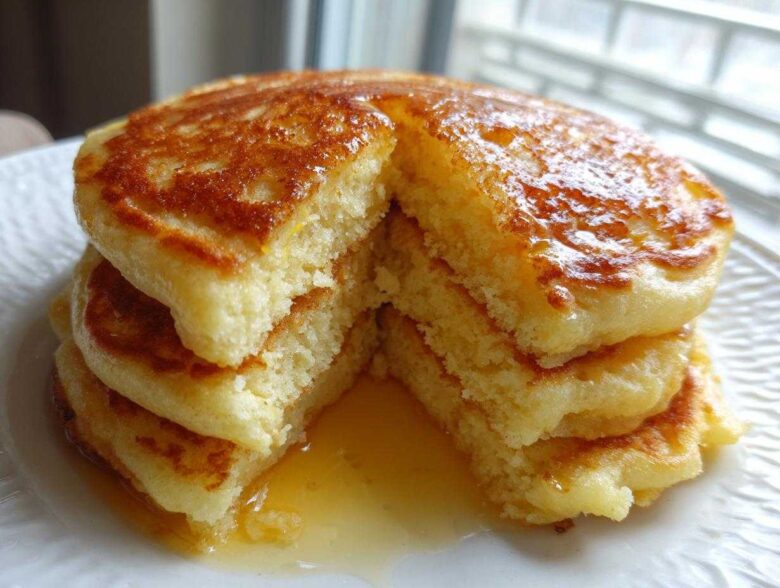
Okay, let’s be real for a second. If you’ve ever tried making gluten-free pancakes before, you know the heartbreak. They usually turn out dense, crumbly, or just… sad. It feels like you have to choose between eating breakfast or sticking to your diet, right? Well, Noah and I spent nearly six months engineering a solution, treating our griddle like a laboratory! I’m so thrilled to share the blueprint for what we finally perfected: the Best Fluffy, Easy, Gluten-Free & Keto coconut flour pancakes you will ever taste. This recipe takes the guesswork out of grain-free baking. Trust me, once you stack these up, you won’t go back! Learning to build a cohesive life together has taught us so much about precision, and you can read more about our journey over at our story.
Why These Are The Best Fluffy Coconut Flour Pancakes
When we started testing, I swear 90% of the results were hockey pucks. Seriously dense! That’s why we’re so excited about this particular blueprint. It nails the three things everyone wants from specialized baking: serious fluff, total dietary ease, and lightning-fast prep. We tested this tirelessly until we got it right. Here’s what sets our coconut flour pancakes apart:
- They are genuinely light. No one wants a heavy breakfast when they are trying to keep things low-carb!
- Everything is mixed in under five minutes once you measure out your ingredients. Who has time for complicated morning routines?
- They pass the Keto and Paleo tests with flying colors, meaning they fit right into almost any health-focused plan.
Achieving Peak Fluffiness with Coconut Flour Pancakes
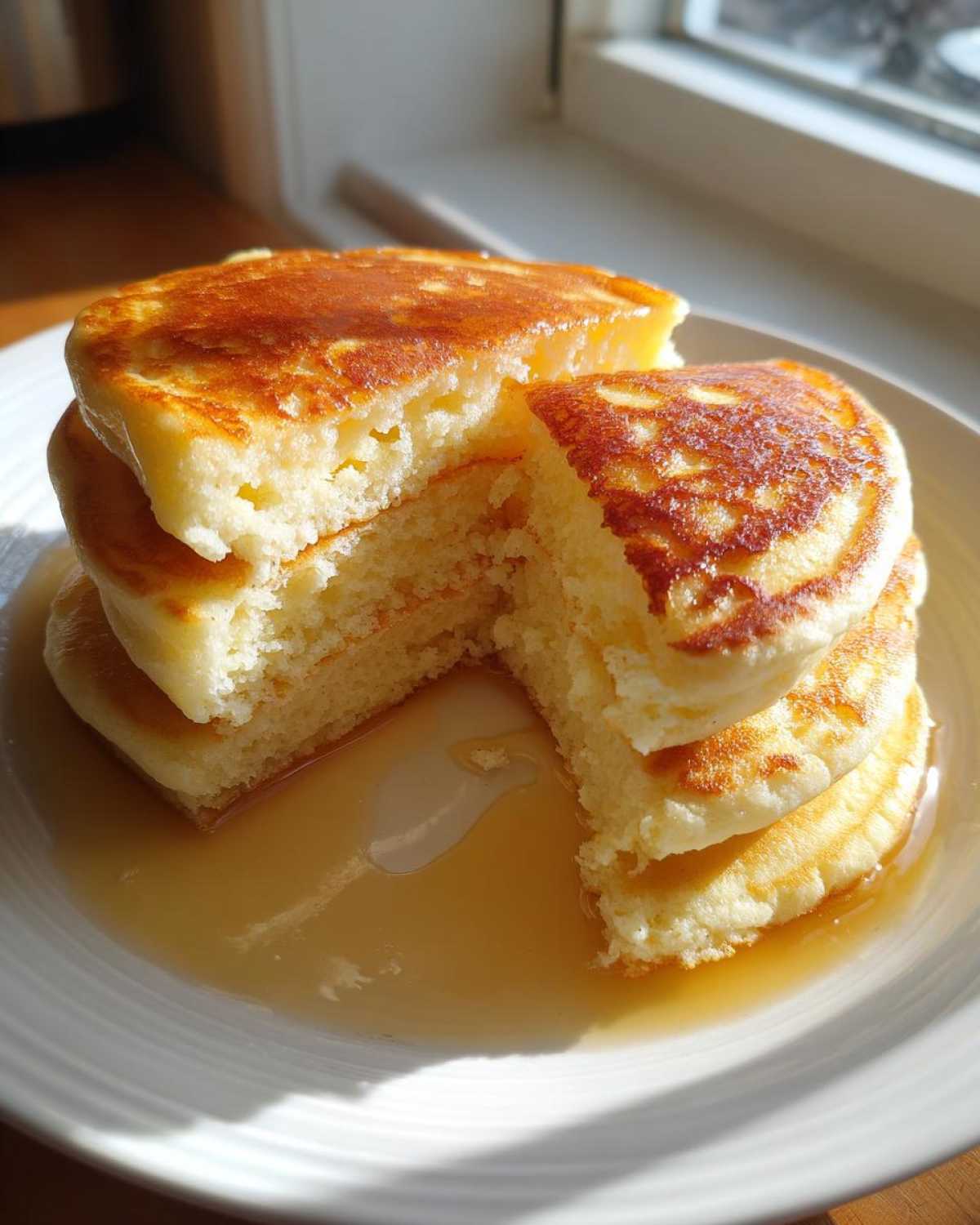
The biggest trick to getting those amazing, airy layers in these coconut flour pancakes isn’t just the baking powder; it’s patience! Coconut flour loves to soak up liquid, and if you try to cook the batter right away, it’s going to weigh everything down. We make sure the batter rests for a full five minutes after mixing. This lets the flour hydrate properly, and when it hits the heat, those air pockets we made when whisking the eggs have room to expand! That’s how you defeat the density monster.
Keto Coconut Flour Pancakes: Low Carb & Sugar Free
If you’re on a Keto or a strictly low-carb meal plan, this recipe is your new best friend. Because we use coconut flour instead of grain-based flours, the carb count stays satisfyingly low. Plus, we keep the sugar totally optional. You get all the comfort of a classic stack without any of the guilt or spikes. These Keto coconut flour pancakes prove you never have to sacrifice flavor when you are eating clean!
Simple Ingredients for Your Coconut Flour Pancakes
When we first started, I always worried that specialized baking required a huge, weird shopping list. Nope! One of the best things about this blueprint for coconut flour pancakes is how simple the ingredient list is. You probably have most of this stuff right now. We keep things minimal so we can get this wholesome breakfast on the table fast. Remember, precision matters, so use large eggs!
- 1/2 cup coconut flour
- 4 large eggs
- 1/2 cup unsweetened almond milk (or dairy-free milk)
- 1 teaspoon baking powder
- 1/4 teaspoon salt
- 1 teaspoon vanilla extract
- 1 tablespoon melted coconut oil or butter (plus extra for the griddle)
- Optional: 1-2 tablespoons of a sugar substitute if desired
Ingredient Notes and Substitutions for Coconut Flour Pancakes
Since we’re using coconut flour, we need to be smart about the liquids. If you need to make these dairy-free pancakes, just use almond milk or coconut milk from a carton—no problem there. Also, if you are strictly Keto, make sure you grab a monk fruit or erythritol blend for that optional sweetener. Leave it out if you want a truly sugar-free breakfast; the vanilla and eggs still provide lovely flavor!
The Operational Plan: How to Make Easy Coconut Flour Pancakes
Alright, Noah always calls this part the ‘operations phase.’ It’s where the planning meets the execution! These steps are straightforward, but do not rush the waiting period—that’s the genius move that prevents your coconut flour pancakes from ending up flat. We need to get the griddle ready while the batter hydrates. It’s a timing thing, and once you nail it, you’ll have done the hardest part of your breakfast prep!
Mixing the Coconut Flour Pancake Batter
First things first, tackle your dry ingredients: whisk the coconut flour, baking powder, and salt together really well in one bowl. You want them evenly distributed so you don’t get a surprise pocket of baking powder later! Then, in a separate bowl, whisk your four eggs until they are nice and frothy. Beat in the almond milk and vanilla. Now, combine the wet into the dry. Add the melted fat, and mix until *just* combined. I mean it—stop mixing when you see a few streaks left. The batter will look super thick, almost like paste. Don’t panic! That’s exactly what you want. Now, set that bowl aside for five minutes. Seriously, go pour your coffee. This rest time is mandatory for the liquid absorption.
Griddling Your Fluffy Coconut Flour Pancakes Perfectly
Once that batter has rested, give it one final, gentle fold. The heat of your griddle needs to be medium-low. If it’s too hot, the outside will burn before the inside cooks, especially with these fluffy coconut flour pancakes. Grease it lightly. Drop about two tablespoons of batter onto the heated surface. You’ll need to gently nudge them with the back of your spoon to form a decent circle—they won’t spread much on their own. Watch closely! You’re looking for those tell-tale bubbles popping up on the surface and the edges turning matte and set. That’s your cue! Flip them quickly and cook for just two more minutes until golden brown. They cook fast once flipped!
Tips for Success with Your Homemade Pancakes
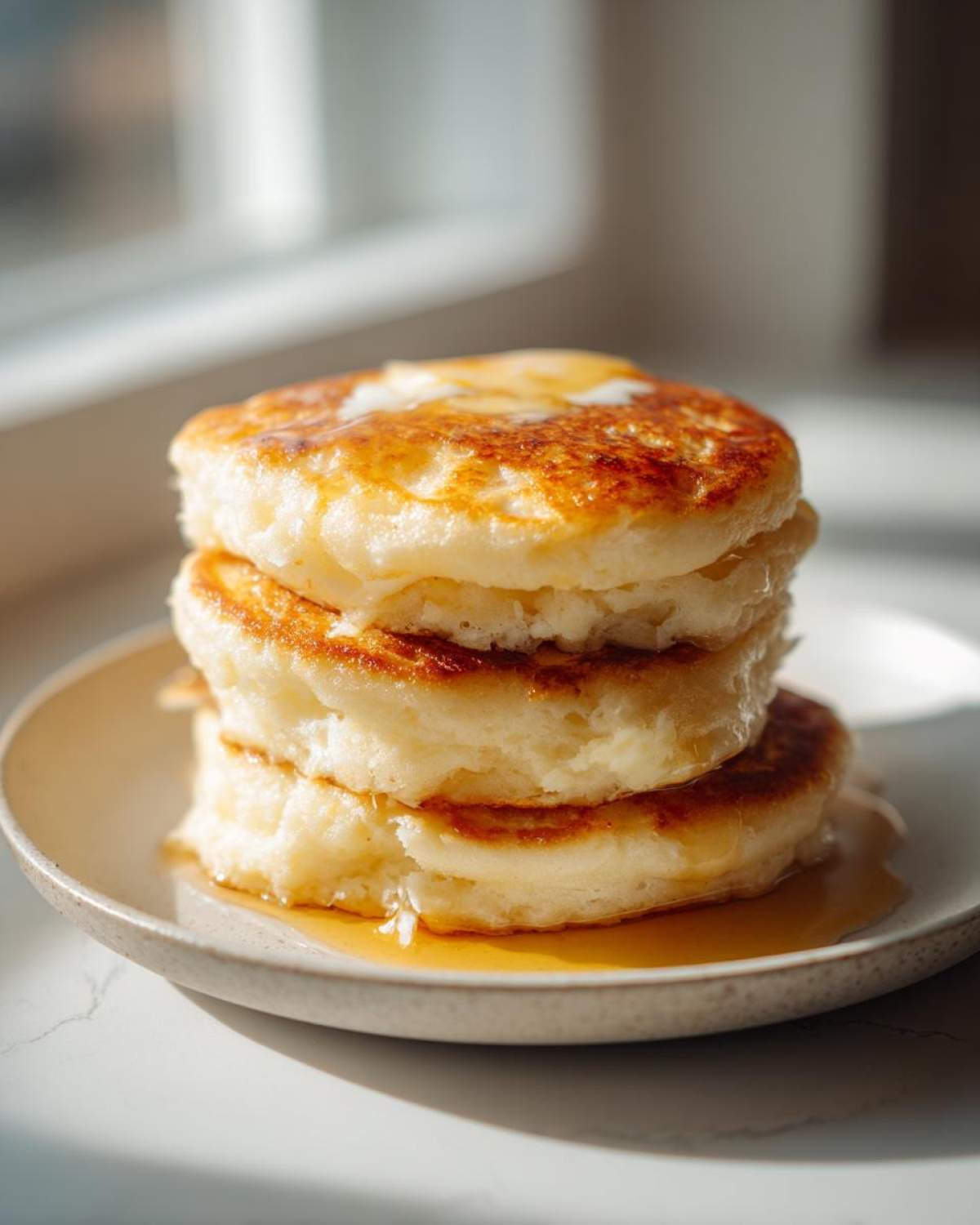
Now that you’ve got the basic operational plan down, let me share a couple of expert secrets Noah and I discovered during our testing marathon. These little tweaks take your coconut flour pancakes from ‘good’ to ‘I can’t believe these are gluten-free!’ territory. For us, building this ’empire’—even just in our kitchen—was all about mastering these crucial nuances.
Our number one fluff-booster tip is something you can only get from someone who has made literal bricks with this flour: adding whipped egg whites. If you have an extra, dedicated three minutes, try this. Separate one of your four eggs. Whisk the yolk in with the rest of the wet ingredients as usual. Then, using a clean bowl and a hand mixer, whip the reserved egg white until it forms soft, billowy peaks. When you gently fold those whites into your thick, rested batter at the very end, you introduce air that coconut flour usually can’t hold onto. It creates an incredible lightness!
Be gentle when folding them in, though! You don’t want to deflate all that hard work. Think slow figure-eights with a spatula. It’s a little extra effort, but honestly, the result is worth it if you are trying to achieve the fluffiest Paleo pancakes possible. If you want to dive deeper into advanced techniques for making things light and airy, check out my post on the souffle pancake technique—it might inspire you!
Also, remember the heat setting! Medium-low is key. Coconut flour has natural sugars that brown quickly. If your pancakes are darkening too fast, just slide your griddle off the heat for 30 seconds before flipping. That slow, gentle cooking ensures the center sets without a gummy texture. It’s all about managing that heat precisely when you are making these grain free breakfast items.
Serving Suggestions for Your Coconut Flour Pancakes
We’ve built this amazing foundation—the fluffy coconut flour pancakes—now we have to decorate the masterpiece! Because these are naturally low in carbs, we like to keep our toppings in line with that lifestyle. Forget the high-sugar syrups; we’re aiming for flavor without the crash.
A generous pat of high-quality butter melting over that warm stack is non-negotiable, that’s just science. Then, top it off with a handful of fresh or lightly warmed berries. Blackberries and raspberries are fantastic because they are naturally lower in sugar. If you need that sweetness, grab a bottle of quality sugar-free maple syrup or drizzle on some melted chopped nuts mixed with a little coconut oil for extra healthy fats. These low carb breakfast ideas feel so indulgent!
Storage and Reheating Instructions for Coconut Flour Pancakes
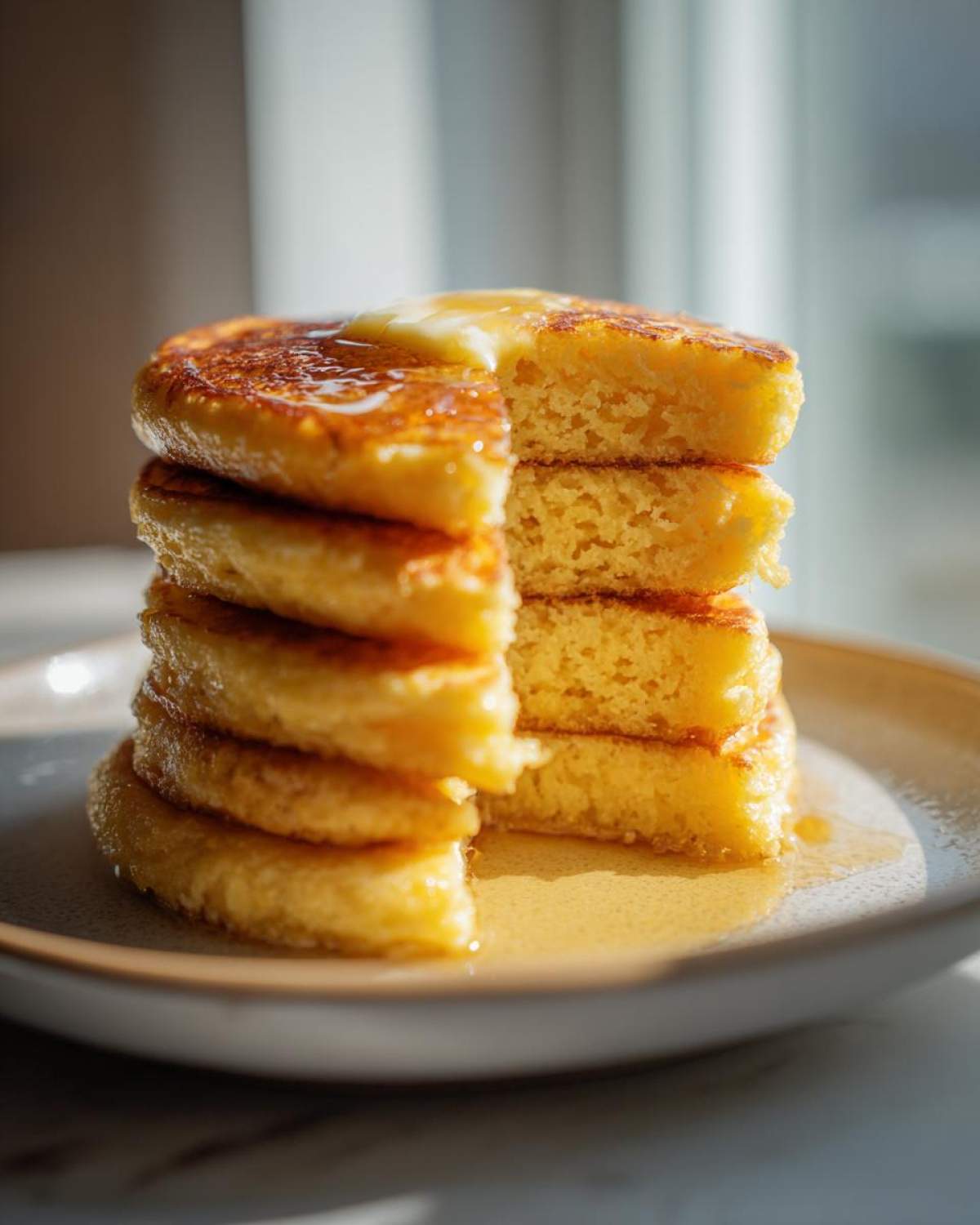
Look, sometimes you just can’t eat six phenomenal pancakes in one sitting, even if you want to! Because these are made with coconut flour, they can get a little dry if you just toss them in the fridge uncovered. We gotta treat them right so they are still delicious the next day. We treat leftovers like precious resources here in the empire!
For storage, the best method is cooling them completely first. Once they are totally cool, stack them between pieces of parchment paper—don’t just stack them directly on top of each other! The parchment stops them from sticking and getting damp. Then, seal the entire stack in an airtight container or a freezer bag. They’ll hang out fine in the fridge for about four days. If you’re making a huge batch for meal prep, they freeze beautifully this way!
Now for the crucial part: reheating. If you use the microwave, you risk making them rubbery, which is the death of a fluffy coconut flour pancake. So, here’s what Noah insists on:
- Tost/Griddle (Best Method): If you have five minutes, put them directly on a dry, medium-hot skillet or toaster oven tray for just a minute or two per side. They crisp up slightly and feel super fresh.
- Freezer Reheat: If they are frozen, pop them straight into the toaster or toaster oven until heated through. Don’t let them thaw first!
This careful reheating process ensures that even your leftovers taste like they just came off the griddle. No one wants a dry, sad, grain-free breakfast!
Troubleshooting Common Coconut Flour Pancake Issues
Even with the best blueprint, sometimes things go a little sideways, right? Building an empire takes practice, and that includes mastering what to do when your coconut flour pancakes don’t look textbook perfect. Don’t you dare throw that batter out! Most issues with these batters are easy to solve if you know the cause. Noah and I logged a lot of failed experiments to figure out the fixes, so let’s save you some time!
The two biggest problems we see crop up are density issues and structural collapse. Both usually come down to the way coconut flour handles liquid. It’s an ingredient that demands respect!
Problem: My Pancakes Are Too Dense, More Like Cookies!
This is the #1 complaint with any grain free breakfast recipe. You followed the instructions, you waited five minutes, but they are still heavy. My fix here is simple, but you have to act *before* you cook them!
- The Fix: Add More Liquid Slowly. If after the 5-minute rest period the batter is still holding stiff peaks, it just needs a little more moisture. Add one extra tablespoon of almond milk (or water, if you must!) and gently fold it in. Repeat this *one tablespoon at a time* until the batter loosens up to a thick, spoonable consistency, similar to a very thick cake batter. Don’t add too much, or you invite the next problem!
- The Why: Cooking coconut flour too dry locks up the structure before the egg proteins can incorporate air properly.
Problem: My Coconut Flour Pancakes Fall Apart When Flipping
You go in for the flip, and the whole thing shreds into spicy coconut bits. Ugh, the betrayal! This almost always means the heat was too high or you flipped too early. These aren’t your grandma’s all-purpose flour flapjacks; they need gentler handling.
- The Fix: Lower the Heat and Wait for Bubbles. You need to cook the first side longer than you think—we are aiming for 3-4 minutes on medium-low heat. The edges must look clearly dry and set before you even introduce your spatula. If they are still wet or gooey around the edges, they will tear.
- The Why: Because these Keto coconut flour pancakes rely on eggs for structure (not gluten), they need that time on the first side to fully set up before they can hold their shape when flipped. Be patient; the second side cooks faster!
Problem: They Taste Too “Nutty” or Strongly Coconut-y
While I love the flavor, I know some folks are sensitive to a strong coconut flavor in their healthy pancake recipe. This usually happens if you’re using a less refined, strongly flavored coconut oil in the batter or on the griddle.
- The Fix: Switch Your Fat. Try using melted butter (if you aren’t strictly dairy-free) or a refined coconut oil. Refined oil has a much more neutral flavor profile than virgin coconut oil. A dash more vanilla extract in the batter also helps balance those tropical notes when aiming for a more neutral low carb breakfast flavor!
Frequently Asked Questions About Keto Coconut Flour Pancakes
I know you’ve probably got questions, especially if you’re new to the wonderful world of coconut flour baking. It behaves so differently than regular all-purpose flour! Noah and I fielded dozens of these questions when we were first testing batches for our blog, so I wanted to compile the best ones right here. We want your journey to fluffy coconut flour pancakes to be as smooth as possible!
Can I substitute almond flour for coconut flour in this recipe?
Oh, that’s a common one! You absolutely cannot swap them cup-for-cup. Coconut flour is incredibly absorbent—way more so than almond flour. If you swap them directly, you will end up with something very dry and heavy that won’t cook right. These are specifically designed as Keto coconut flour pancakes; if you want almond flour, I recommend searching our site for a specific almond flour recipe!
Are these pancakes truly Keto-friendly?
Yes, they are! As long as you skip that optional sweetener or use a Keto-approved sweetener (like erythritol or monk fruit), these are fantastic for a low carb breakfast idea. We list all the details in the nutrition section below, but generally, they are packed with healthy fats and fiber, while keeping the net carbs super low, which is perfect for staying in ketosis!
Why are my pancakes flat even after resting?
If you followed the recipe and they still came out flat, I bet you mixed the batter too much *after* adding the wet and dry ingredients, or you skipped the resting time. You want those eggs whisked well beforehand to incorporate air, but once the flour hits, you must mix minimally. Overmixing develops structure in a bad way, crushing those tiny air bubbles you need for lift. Remember, some streaks are okay; stop mixing once you can no longer see large dry pockets of flour!
Can I make these into Paleo pancakes?
You bet! Coconut flour is naturally grain-free, so technically, this is already a Paleo pancakes recipe. Just ensure that if you are adding a sweetener, it is also Paleo-compliant, like monk fruit or stevia, rather than processed sugar substitutes.
Nutritional Estimates for This Healthy Pancake Recipe
Okay, now for the numbers! Since we built these healthy pancake recipes specifically to fit certain dietary frameworks—Keto, low-carb, and gluten-free—I know a lot of you are watching your macros closely. Because ingredients can vary (especially brands of almond milk or the exact fat content of your eggs), please take these numbers as a close, educated estimate. We calculated this based on the standard version of the recipe that makes 6 pancakes total.
When you divide the total batch down, the nutritional estimates for 3 coconut flour pancakes look something like this. This is often the information people need when planning their perfect sugar free breakfast!
- Serving Size: 3 pancakes (half the batch)
- Calories: Around 240
- Fat: Roughly 18g (This is where the healthy energy comes from!)
- Protein: About 10g
- Total Carbohydrates: Approximately 15g
- Dietary Fiber: About 8g (This means the **Net Carbs** are very low, which is why this works for Keto!)
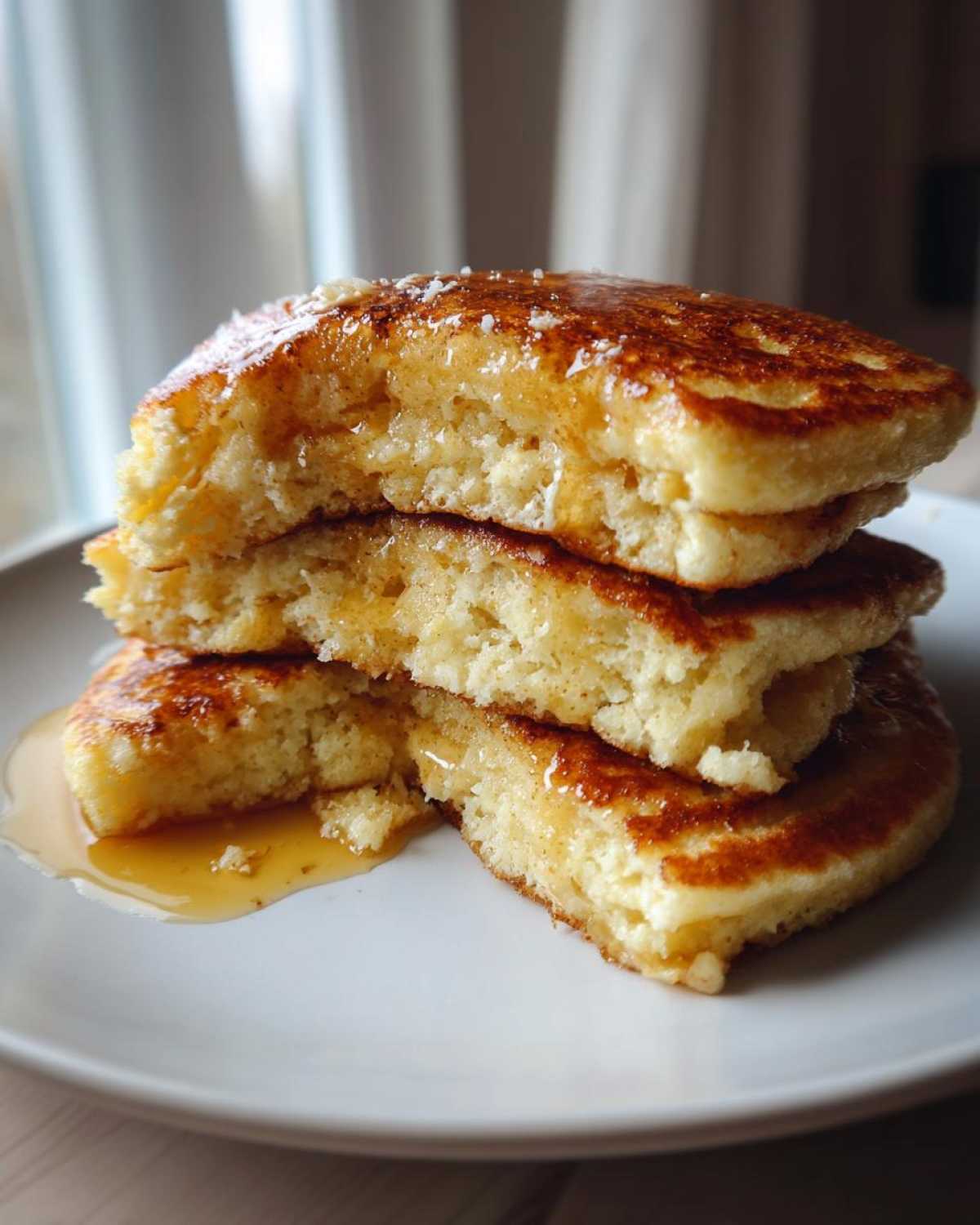
This breakdown shows you exactly why these are such a satisfying choice for a quick morning recipe. You get a ton of filling fat and fiber, which keeps the energy steady all morning long. Enjoy this wholesome stack guilt-free!
PrintThe Best Fluffy, Easy, Gluten-Free & Keto Coconut Flour Pancakes
You can make incredibly fluffy, gluten-free coconut flour pancakes that are also low-carb and keto-friendly. This easy recipe delivers a satisfying, wholesome breakfast stack perfect for busy mornings or weekend brunch.
- Prep Time: 10 min
- Cook Time: 15 min
- Total Time: 25 min
- Yield: About 6 medium pancakes (2 servings)
- Category: Breakfast
- Method: Griddling
- Cuisine: American
- Diet: Gluten Free
Ingredients
- 1/2 cup coconut flour
- 4 large eggs
- 1/2 cup unsweetened almond milk (or dairy-free milk)
- 1 teaspoon baking powder
- 1/4 teaspoon salt
- 1 teaspoon vanilla extract
- 1 tablespoon melted coconut oil or butter (plus extra for the griddle)
- Optional: 1-2 tablespoons of a sugar substitute if desired
Instructions
- In a medium bowl, whisk together the dry ingredients: coconut flour, baking powder, and salt.
- In a separate bowl, whisk the eggs thoroughly. Add the almond milk and vanilla extract to the eggs and mix well.
- Pour the wet ingredients into the dry ingredients. Add the melted coconut oil or butter. Mix until just combined. The batter will be thick; this is normal for coconut flour. Let the batter rest for 5 minutes to allow the flour to absorb the liquid fully.
- Heat a non-stick griddle or large skillet over medium-low heat. Lightly grease the surface with coconut oil or butter.
- For each pancake, drop about 2 tablespoons of batter onto the hot griddle. Use the back of the spoon to gently spread the batter into a 3-4 inch circle. Do not overwork the batter.
- Cook for 3 to 4 minutes on the first side, or until bubbles form on the surface and the edges look set.
- Carefully flip the pancakes and cook for another 2 to 3 minutes until golden brown and cooked through.
- Serve immediately with your favorite low-carb toppings.
Notes
- For extra fluffiness, separate the egg whites and whip them to soft peaks before gently folding them into the final batter.
- If you prefer a slightly sweeter pancake, add a keto-friendly sweetener like erythritol or monk fruit to the dry ingredients.
- Coconut flour absorbs liquid quickly, so if your batter seems too thick after resting, add one extra tablespoon of almond milk at a time until you reach a thick, spoonable consistency.
Nutrition
- Serving Size: 3 pancakes
- Calories: 240
- Sugar: 1
- Sodium: 150
- Fat: 18
- Saturated Fat: 12
- Unsaturated Fat: 6
- Trans Fat: 0
- Carbohydrates: 15
- Fiber: 8
- Protein: 10
- Cholesterol: 140