

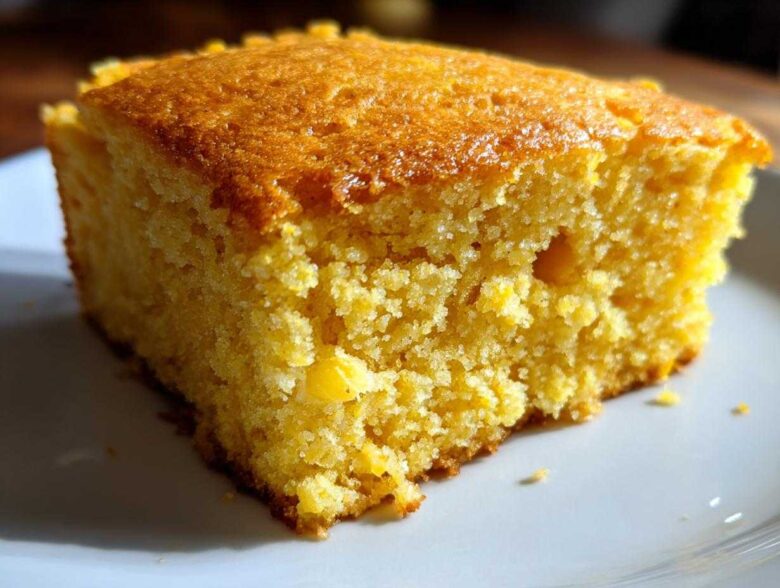
You think you know cornbread, right? Yellow cornmeal, maybe a little sugar, baked until golden. But let me tell you, tossing that leftover sourdough discard into the mix? It’s an absolute game-changer. When I first started experimenting with using up my sourdough discard in things that weren’t loaves—muffins, pancakes, disaster cookies—I stumbled onto this sourdough cornbread recipe, and I haven’t looked back! It’s the secret weapon for achieving the moist cornbread texture everyone dreams about. This particular recipe balances that irresistible, comforting sweetness with just the right amount of tang. It’s fluffy, it’s tender, and honestly, it’s the reason I keep my starter bubbling away, even when I’m not making artisan bread. Stop tossing that discard; we’ve got baking to do!
I actually discovered this trick when I was trying to clear out my fridge before a short vacation. My discard was a bit older, extra sour, and I thought, “What’s the worst that could happen?” Well, what happened was the softest, most flavorful bread I’d ever pulled from the oven that didn’t require yeast! It elevated a classic side dish instantly. If you’re ready to upgrade your baking game immediately, you absolutely have to try this method. For more on the philosophy behind ditching waste in the kitchen, check out my thoughts on why we bake the way we do.
Why This Moist Sourdough Cornbread Recipe Works (EEAT Focus)
Okay, let’s talk science—but the fun, delicious kind! The absolute magic behind this loaf isn’t just the cornmeal; it’s that sourdough discard. That little bit of fermented flour and water does heavy lifting. When you introduce that mild acidity into the batter, it starts working on the gluten strands in the flour, tenderizing them before they even hit the heat. This is precisely why this becomes such a wonderfully moist cornbread. It keeps the texture light and prevents that dry, crumbly sensation you sometimes get with standard quick breads.
Using the discard means you’re adding complexity without adding any extra rising time or effort. It’s a true shortcut to depth of flavor that you just can’t get from plain, all-purpose flour. This technique proves that using what you have on hand leads to better results, which is something I learned the hard way years ago!
Achieving the Perfect Tangy Cornbread Flavor
The tang is essential, isn’t it? That little bit of sharpness that cuts through the sweetness of the corn and honey is what makes people ask for the recipe again and again. The sourdough discard provides the foundation for that signature tangy cornbread profile. But I lean into it by pairing it with buttermilk. The buttermilk reacts perfectly with the baking soda, giving you a great lift while amplifying that wonderful sour note from the starter. It’s a double-whammy of flavor chemistry that guarantees a deeply satisfying bite, every single time we bake this side dish.
Essential Ingredients for Sourdough Cornbread
You’ll want to gather everything before you start mixing, just because this is such a fast recipe once you get going. Speed is great, but we still need precision! When I laid out the ingredients for this recipe, I made sure every measurement was clear because a simple switch can change the texture of our delicious sourdough cornbread.
Here is what you need to pull together this fantastic side dish:
- 1 cup sourdough discard (this is our main event!)
- 1 cup buttermilk (don’t skimp here; it works with the discard)
- 1/2 cup unsalted butter, melted (make sure it’s fully liquid)
- 1 large egg (just one, kept simple)
- 1 cup yellow cornmeal (the star flavor)
- 1 cup all-purpose flour
- 1/2 cup granulated sugar (this keeps it wonderfully sweet)
- 1 tablespoon baking powder
- 1/2 teaspoon baking soda
- 1 teaspoon salt
Now, I mentioned upfront that this recipe can lean sweet, and that comes from the sugar, but if you are leaning into that true honey sourdough cornbread territory—maybe you are planning on eating this with a big bowl of chili—you need the next item. This is totally optional, but oh my goodness, worth it! Add 1/4 cup of real honey into the wet ingredients. If you want it less sweet, go straight for only honey and leave out the granulated sugar, though the texture might change just a hair.
Step-by-Step Instructions for Easy Sourdough Discard Cornbread
Look, I know you want the perfect sourdough cornbread on the table ASAP, and that’s why this is such an easy cornbread recipe! Since using all that sourdough discard means we don’t have to wait hours for a rise, the steps are fast. But we have to respect the method, or we end up with something dense and sad. So, grab your 8×8 pan—or your muffin tin if you’re making individual servings—and let’s get this batter whipped up before you can even decide what movie to watch later! I always think about what I’m serving this with while I work; it goes perfectly with creamy chicken chili or a hearty beef stew.
First things first: Preheat your oven to 375°F (190°C). While that’s warming up, get your 8×8 pan ready. I just grease mine really well with butter or cooking spray and dust it lightly with flour. If you skip this little step, even the world’s best cornbread recipe will stick on you, and trust me, that’s a tragedy!
Next, we divide our ingredients into wet and dry just like almost every good quick bread. In your big mixing bowl—the one you’ll mix everything in—whisk together that sourdough discard, the buttermilk, the melted butter (make sure it’s not scorching hot!), and the egg. Whisk it until those elements get friendly and look uniform. If you opted for honey, this is when you whisk that in too!
Mixing the Batter for Fluffy Cornbread
This is where so many people panic, but listen to me: You absolutely MUST NOT overmix this batter! Over-developing the gluten once the flour is introduced is the number one way you turn something that should be fluffy cornbread into a hockey puck. In a separate bowl, whisk your cornmeal, flour, sugar, baking powder, baking soda, and salt together until they look totally happy.
Now, dump the dry team right into the wet team. Use a spatula or a wooden spoon and fold that mixture together gently. Mix only until you see the streaks of flour disappear—maybe 10 or 15 gentle turns. Seriously, if you have a few small lumps of dry mix still hiding in there? Good! That means you’re on track for phenomenal, tender results. Pour that slightly lumpy batter right into your prepared pan. If you need more baking tips, I put a few more things I’ve learned on my baking ideas page.
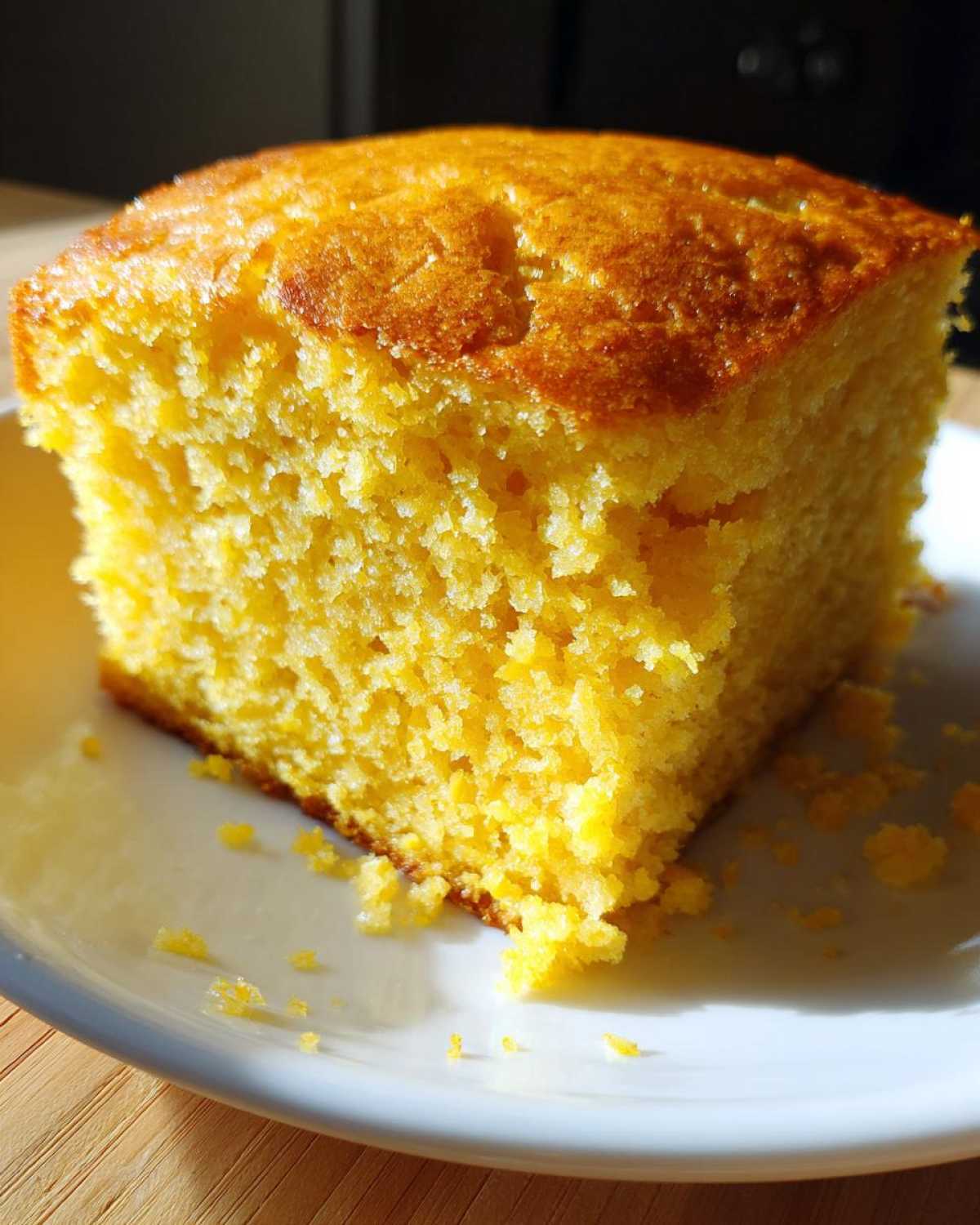
Baking Times and Testing Doneness for Sourdough Cornbread
For the 8×8 pan, we are aiming for 25 to 30 minutes in that 375°F oven. If you chose to make sourdough cornbread muffins instead because you need quick grab-and-go portions, stick them in for a shorter bake—usually 18 to 22 minutes.
How do you know they’re ready? Start checking around the 25-minute mark. The edges should look nicely golden brown and might be just starting to pull ever-so-slightly away from the sides of the pan. That’s a great sign! The real test, though, is the toothpick test. Stick a wooden toothpick right into the very center of the loaf. If it comes out clean, or maybe just with a few tiny, moist crumbs clinging to it? Pull it out immediately! If it comes out wet with batter, give it another three to five minutes and check again. This little adjustment between moist and dry is everything for a fantastic homemade cornbread.
Tips for Perfect Sourdough Cornbread Success
We’ve got the basic sourdough cornbread recipe down, but do you want to move this from good to absolutely legendary? It’s all about these little tweaks! I’ve learned so much about handling sourdough discard, and honestly, mastering these details is what separates a decent quick bread from the one everyone begs you to bring to the party. Trust me, these tips are the non-negotiables in my kitchen when I want that perfect texture and flavor depth.
One thing I constantly preach is controlling the temperature of your discard. If you want that classic, gentle tang that cuts through the sweetness—the kind that makes people say, “Wait, what gives this its zing?”—use your discard straight from the fridge. Cold discard slows down any residual fermentation happening in the batter just enough so that the acidity is present without being overwhelmingly sour. If you’re in a rush, room-temp discard works, but for peak flavor balance, cold is the way to go.
Another thing? Don’t second-guess that melted butter pooling in the bottom of your wet ingredients bowl! It needs to be melted because it coats the cornmeal and flour particles differently than softened butter would, contributing heavily to that wonderfully moist cornbread texture we’re aiming for. It mimics that lovely richness you get in some Southern recipes without adding any extra fuss.
Using Sourdough Discard: Best Practices
If you are new to this wonderful world of waste reduction, let me quickly clarify what sourdough discard is. It’s simply the portion of your starter that you remove before you feed it. It’s not “bad” or “waste”; it’s just old starter that hasn’t been fed recently. It still has plenty of microbial activity and flavor, but it isn’t strong enough to lift a tall loaf of bread on its own.
Because it’s already hydrating and slightly acidic, it replaces some of the liquid and flour components you’d normally add to a standard quick bread or pancake recipe. In this cornbread, it combines beautifully with the buttermilk to provide structure and moisture. You’re essentially getting a more complex flavor profile instantly, which is why this recipe is considered part of my quick sourdough baking rotation!
Variations: Jalapeno Cornbread Recipe and More
One thing I love about having a reliable base recipe like this sourdough cornbread is how easily you can pivot from sweet comfort food to something with a little kick! We’ve got the perfect sweet and tangy version above, but sometimes you need your bread to stand up to something really bold, like a big bowl of soup or chili. That’s where customizations come in, and honestly, they are almost as fun as the main bake!
If you’re looking for that spicy kick, you absolutely must try making a jalapeno cornbread recipe variation. Remember those notes I listed? Take that 1/2 cup of sugar out, or just cut it down to 1/4 cup if you still like a hint of sweetness. Then, fold in about 1/2 cup of sharp cheddar cheese, shredded, and one jalapeño—finely minced. Make sure you get all the seeds out unless you *really* like the heat! That combination turns this into a savory bake that is just unbelievably good.
And hey, if you’re not baking for a crowd or just want perfectly portioned snacks, switching to sourdough cornbread muffins is the easiest thing in the world. Just divide that batter evenly between a greased muffin tin (I usually get 12 good-sized muffins). You’ll just need to watch the oven time carefully; remember, muffins cook faster than a big square loaf!
Adding Garlic Butter Cornbread Finish
Whether you went sweet, savory, or somewhere in the middle, this finishing move is non-negotiable for me, especially if I’m serving it hot right out of the oven. As soon as that pan comes out—while it’s still screaming hot—combine about two tablespoons of softened butter with half a clove of minced garlic and a pinch of flaky salt. I keep reminding people that this is the secret to that incredible, melt-in-your-mouth crust.
Brush that glorious melted garlic butter right over the top of the golden cornbread. The heat immediately sizzles the garlic, infusing that rich, pungent aroma across the entire loaf. It adds incredible richness and pushes that soft center over the edge! If you love garlic and spice, you might also want to check out my recipe for bacon-wrapped jalapeno poppers for another fantastic appetizer idea!
Serving Suggestions for Your Sourdough Cornbread
Now that you’ve pulled that perfect, tangy loaf out of the oven, the fun part starts: eating it! This isn’t just some random filler bread; this sourdough cornbread demands to be paired with something comforting. It’s practically begging to be dipped into a big, steaming bowl of chili. Whether you’re making my famous creamy white chicken chili or a hefty bowl of slow-cooker goodness like my beef chili, this cornbread soaks up all those savory juices beautifully.
But don’t just save it for soup night! This bread is genuinely robust enough to handle holidays. It makes an absolutely fantastic Thanksgiving cornbread side, offering a welcome, slightly tangy break from all the rich, heavy casseroles on the table. It’s much more exciting than plain rolls, I promise you.
We usually serve it simply, just split open with a generous slab of cold butter melting right into the crumb. Sometimes I’ll even crumble a piece right over the top of my chili or stew for extra texture—think of it as a homemade, slightly tangy crouton substitute! Enjoy every deliciously fluffy bite, because you totally earned it.
Storage and Reheating for Homemade Cornbread
Okay, you managed to resist eating the entire beautiful loaf in one sitting—congratulations! Now we have to make sure this incredible homemade cornbread stays just as perfect tomorrow as it is today. The key to storing any moist cornbread is wrapping it up well so that sourdough tang doesn’t get stale overnight.
For short-term storage, keeping it on the counter is totally fine, provided your kitchen isn’t blazing hot. Wrap the slices or the whole loaf tightly in plastic wrap first—criss-cross wrapping helps lock in any remaining steam and moisture. Then, put that wrapped package into an airtight container or a zip-top bag. At room temperature, it should stay great for two days. Since this recipe is quite moist thanks to the buttermilk and discard, I find it holds up really well on the counter.
If you made a massive batch, or honestly, if you just want it to last a week, the fridge is the place to go. Same rule applies: wrap it tightly in plastic, then use foil or a container. The cold will temporarily make the cornbread feel a little firmer, but don’t worry, that’s totally reversible!
The reheating is just as important as the storing, otherwise, you risk undoing all our hard work to keep it tender. If you are just nuking one slice, use the microwave for about 10 to 15 seconds. Keep an eye on it, though, because the microwave can sometimes make quick breads tough if you overheat them.
For reheating the whole pan or several slices and getting that lovely fresh-from-the-oven quality back, I go straight for the oven or toaster oven. Wrap the slices loosely in foil—this traps the moisture in while heating them through evenly—and pop them into a 300°F oven for about 8 to 10 minutes. That gentle heat warms it all the way through without drying out the edges. Once it’s hot, it’s ready for a pat of butter. Seriously, reheating this properly is the difference between good leftovers and a delightful second chance at eating the best cornbread recipe ever!
Frequently Asked Questions About Sourdough Cornbread
I totally get it; when you start tinkering with sourdough, questions pop up everywhere! Don’t worry if you’re staring at your jar of discard wondering how it fits into every single recipe. Here are the things I get asked most often about making really excellent sourdough cornbread.
Can I use active sourdough starter instead of discard in this sourdough cornbread recipe?
Yes, you absolutely can! But you need to remember that active starter—the one that has been recently fed and is bubbly and doubled in size—is much stronger in terms of lift and acidity compared to the leftover, unfed discard. If you swap one-cup-for-one-cup active starter, your bread might rise a bit too aggressively since you’re adding extra leavening power along with the baking powder and soda. I would suggest using the active starter but reducing the baking powder by about half a teaspoon, or just be ready for a slightly softer, maybe less dense result. It will still be delicious, but the texture profile of the moist cornbread might shift slightly.
How do I make this recipe savory sweet cornbread?
That’s my favorite way to serve it for a dinner party! To pivot to a more savory sweet cornbread—where the corn flavor really shines and the sugar is just a background whisper—you should follow the advice I mentioned in the recipe notes. Cut that granulated sugar in half (down to 1/4 cup total sugar, including the honey if you use it). Then, the real magic happens when you add about 1/2 cup of sharp, shredded cheddar cheese and one finely minced jalapeño to the batter right before you pour it into the pan. That zesty, cheesy flavor makes it the perfect accompaniment for any robust meal, especially chili!
Can I use corn flour instead of cornmeal?
Oh, steer clear of that swap! Cornmeal is what gives cornbread its wonderful, slightly gritty, traditional texture. Corn flour is usually much finer, more like wheat flour. If you make that switch, you’ll end up with something closer to a cake than the hearty, satisfying homemade cornbread texture we are aiming for here. Stick to yellow cornmeal for the best results in this sourdough cornbread recipe.
Why is my cornbread gummy in the middle?
Gummy is almost always a symptom of two things, and both are easily fixed! First, overmixing. I cannot stress this enough: stop mixing as soon as the flour streaks disappear. Overmixing creates tough gluten structures that trap liquid, resulting in that gummy layer. Second, check your oven temperature! If your oven runs cool, the outside sets before the inside cooks through properly. Using an oven thermometer is a baker’s best friend for nailing quick breads like this.
Estimated Nutritional Data for Sourdough Cornbread
Now, before you dive headfirst into that delicious, tangy loaf, I always feel it’s important to mention the numbers! Just like my grandmother’s pound cake recipe, this sourdough cornbread is wonderfully rich, especially when you include the butter and the slight sweetness. Remember that these figures are just estimates based on the ingredients listed in the recipe above, assuming you made the standard version without heavy additions like tons of cheese OR massive amounts of extra honey.
For one square slice (based on a 9-serving yield), here is what you are generally looking at with this baked bread recipe:
- Calories: Approximately 245
- Total Fat: Around 11g (Watch that butter!)
- Carbohydrates: Roughly 33g
- Protein: About 5g
- Sugar Content: About 12g (This is why it tastes so comforting!)
I like including this because it helps people budget their meals—this bread is hearty enough to be a real treat on the table, especially when served alongside something leaner like my chili recipes. It’s comfort food baking, after all, and comfort is worth the counting sometimes, right? Just be mindful that adding things like jalapeños or cheese will naturally increase your sodium and fat slightly, but honestly, it’s worth every single bite!
Share Your Tangy Cornbread Creations
Whew! We made it through the mixing, the baking, and the debating whether to go sweet or savory. Now that you have pulled a tray of this perfect, homemade, tangy cornbread out of the oven, I really, truly want to see what you made! Whether you stuck to the tender, sweet classic or went wild with jalapeños and cheddar, share the love!
If you followed along and found this sourdough cornbread recipe worked beautifully for you—please, please leave a rating and a quick review right here on the page. It genuinely helps other home cooks feel confident trying out something new like using their sourdough discard in a quick bread. Readers talking to readers is the best kind of trust signal there is!
And if you took a gorgeous picture of your golden loaf cooling on the rack, or better yet, dipped deep into a bowl of soup, tag me on social media! I love seeing your successes in your own kitchens. It reminds me that every baker’s journey—from my sourdough starter adventure to yours—is worth documenting. If you ever have questions that didn’t make it into the FAQ, feel free to reach out via my contact page. Happy baking, friends!
PrintMoist Sourdough Discard Cornbread

A recipe for moist and tangy cornbread made using sourdough discard. This bread pairs well with chili or serves as a holiday side dish.
- Prep Time: 10 min
- Cook Time: 30 min
- Total Time: 40 min
- Yield: 9 servings
- Category: Side Dish
- Method: Baking
- Cuisine: American
- Diet: Vegetarian
Ingredients
- 1 cup sourdough discard
- 1 cup buttermilk
- 1/2 cup unsalted butter, melted
- 1 large egg
- 1 cup yellow cornmeal
- 1 cup all-purpose flour
- 1/2 cup granulated sugar
- 1 tablespoon baking powder
- 1/2 teaspoon baking soda
- 1 teaspoon salt
- 1/4 cup honey (optional, for sweeter bread)
Instructions
- Preheat your oven to 375°F (190°C). Grease and flour an 8×8 inch baking pan or line a muffin tin.
- In a large bowl, whisk together the sourdough discard, buttermilk, melted butter, and egg until combined.
- In a separate medium bowl, whisk together the cornmeal, flour, sugar, baking powder, baking soda, and salt. If using honey, whisk it into the wet ingredients now.
- Add the dry ingredients to the wet ingredients. Mix gently until just combined. Do not overmix; a few lumps are acceptable.
- Pour the batter into the prepared pan or divide among muffin cups.
- Bake for 25 to 30 minutes, or until a toothpick inserted into the center comes out clean. For muffins, bake for 18 to 22 minutes.
- Let the cornbread cool in the pan for 10 minutes before slicing or removing from the tin.
Notes
- For a savory version, reduce the sugar to 1/4 cup and add 1/2 cup shredded cheddar cheese and 1 minced jalapeño to the batter.
- Brush the top with melted garlic butter immediately after removing it from the oven for extra flavor.
- If you prefer a tangier flavor, use cold discard straight from the refrigerator.
Nutrition
- Serving Size: 1 square
- Calories: 245
- Sugar: 12
- Sodium: 350
- Fat: 11
- Saturated Fat: 6
- Unsaturated Fat: 5
- Trans Fat: 0
- Carbohydrates: 33
- Fiber: 1
- Protein: 5
- Cholesterol: 45