

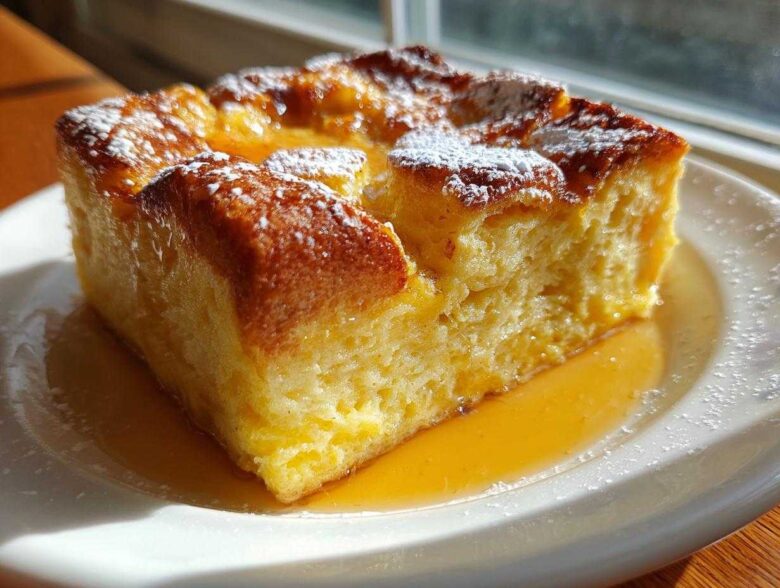
If your mornings usually involve a frantic scramble to feed everyone before they run out the door, I totally get it! I used to be right there with you, staring down a stack of bread, wishing I could fast-forward until everyone was fed. But ever since I perfected this baked french toast casserole, our weekend mornings have completely changed. Seriously, this is the ultimate make-ahead magic trick. You mix it up the night before—which takes maybe 15 minutes if you’re chatting on the phone while you work—and pop it in the fridge. The best part? Waking up, pulling this beauty out of the fridge, and sliding it straight into a warm oven. No stress, just delicious, fluffy goodness waiting for you. If you’re looking for the very best breakfast ideas that actually make life easier, this overnight bake is the answer!
Why This Overnight Baked French Toast Casserole Shines
People ask me all the time why I don’t just make regular French toast, and the answer is simple: texture and sanity! This casserole beats frying every single time. It’s honestly a lifesaver for hosting or just managing a hungry family.
- Make-Ahead Masterpiece: Prep it the night before! Pull it out, bake it, and you’re done. Total game-changer for stress-free entertaining.
- Supreme Fluffiness: That long soak time is crucial! It guarantees every single cube is soaked through, turning into a light, custardy dream.
- Crowd-Pleaser: Forget flipping 12 individual slices. This sweet breakfast casserole feeds everyone beautifully at once.
Ingredients for the Perfect Baked French Toast
You need a solid foundation for a stellar casserole, right? This list looks long, but I promise it’s all pantry staples! We’re building layers of flavor here, and choosing the right bread makes all the difference. Don’t skimp on the good stuff!
- 1 loaf (about 1 pound) thick-cut bread (brioche or challah recommended), cut into 1-inch cubes
- 12 large eggs
- 2 cups whole milk
- 1 cup heavy cream
- 3/4 cup granulated sugar
- 2 teaspoons ground cinnamon
- 1 teaspoon vanilla extract
- 1/4 teaspoon ground nutmeg
- 1/4 teaspoon salt
- 1/2 cup maple syrup, for serving
- Powdered sugar, for dusting (optional)
Bread Selection for the Best Baked French Toast
Listen, you can use standard white bread if you must, but if you want that truly rich, almost bread pudding for breakfast experience, you have to go for brioche or challah. They are dense enough that they don’t collapse into a sad, soggy mess when they soak up all that custard.
My biggest piece of advice here is about freshness. If your bread is a day or two old—kind of stiff but not rock hard—it’s perfect! Stale bread acts like a sponge for the liquid, ensuring you get that amazing uniform texture throughout the whole casserole. If your bread is fresh, just let the cubes sit out on a baking sheet for an hour before you assemble everything.
Assembling the Custard Base for Fluffy French Toast Bake
The custard is where the magic happens. It’s what turns dry bread into a luxurious breakfast dream. We need volume here, so pay attention to how you mix these wet ingredients.
We’re using a mix of whole milk and heavy cream for richness—don’t try to swap that cream for skim! That cream is what keeps everything feeling decadent instead of thin.
Whisk those 12 eggs really well first, until they are slightly pale. Then, gently whisk in the milk, cream, sugar, cinnamon, vanilla, nutmeg, and salt. The key word here is *gently* once the liquids are in. You want everything incorporated without incorporating too much air initially, because we want the bread to do the heavy lifting on the fluff factor. Make sure that sugar dissolves completely! You don’t want gritty pockets hiding at the bottom of your dish.
Step-by-Step Instructions for Overnight Baked French Toast
Okay, now that we have our dreamy bread cubes and our spiced custard ready, the assembly is quick! Remember, the goal here is maximum saturation, so don’t rush the soaking phase. If you’re whipping this up the night before, this whole process takes less time than making a simple pot of coffee!
Preparing the Bread and Custard Soak for Baked French Toast Casserole
First thing: grease that 9×13 dish well. I sometimes use a little cooking spray and then toss the bread cubes in. Arrange those beautiful cubes evenly across the bottom. Don’t worry about pretty layers; just make sure you’re not creating one giant pile in the middle, or you’ll get uneven cooking later.
Now, pour that glorious custard mixture slowly and evenly over the top. This is where you need to use your hands—gently press that bread down a few times. You want to encourage every single cube to drink up that egg mix. Once it looks sufficiently damp, cover it tightly with plastic wrap. It needs to chill for a minimum of four hours, but honestly, doing this the moment you finish dinner is the sweet spot for the best baked french toast casserole the next morning.
Baking Time and Temperature for Your Oven Baked French Toast Recipe
Morning comes, you take the plastic wrap off—it might look a little wet or dense, that’s good! Preheat your oven to 350 degrees Fahrenheit. Don’t bake it straight from the fridge cold; let it sit on the counter while the oven heats up, maybe 15 minutes. This helps it bake more evenly.
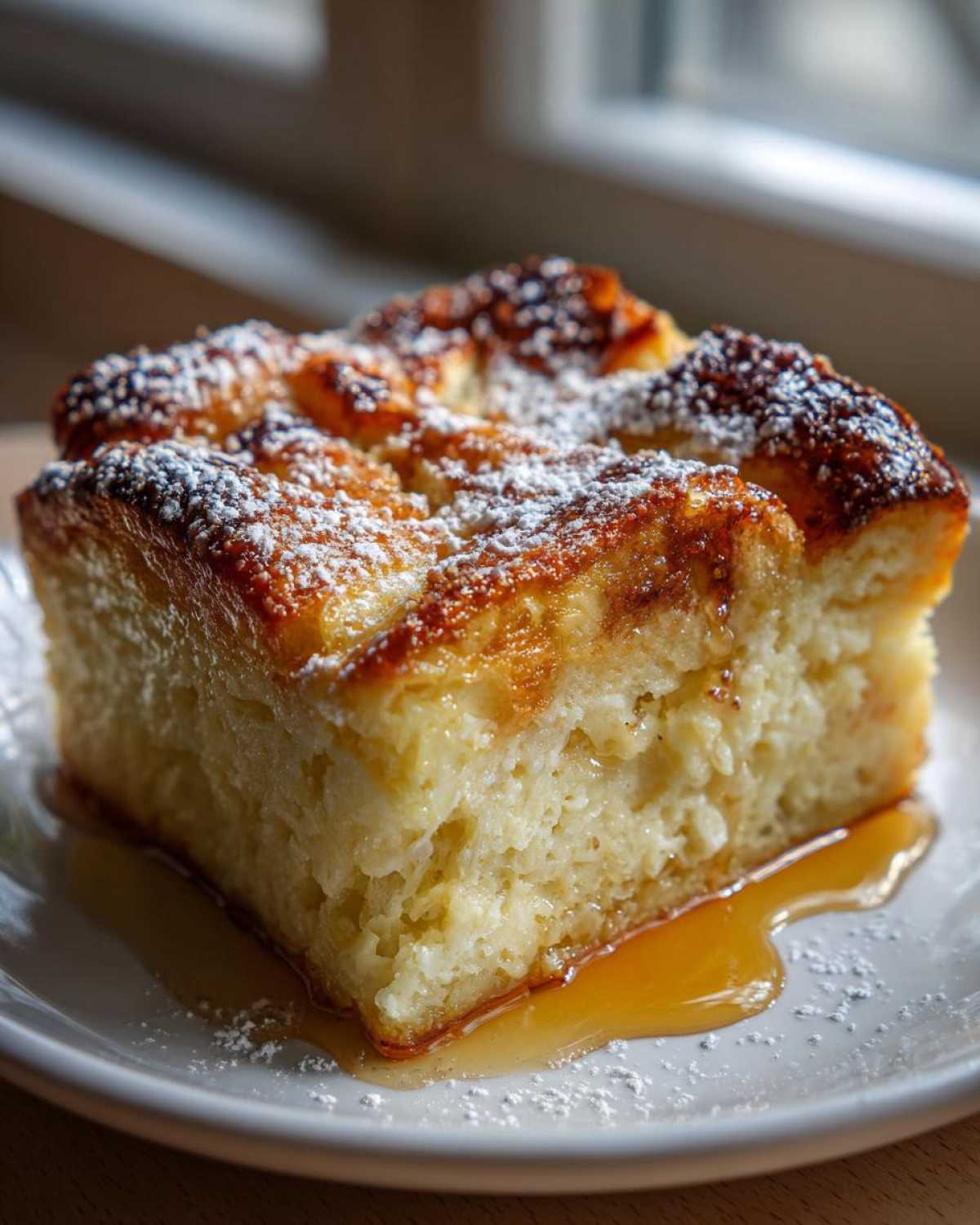
It usually takes about 45 to 55 minutes uncovered. You’re looking for it to be puffed up, golden brown, and if you poke a knife near the middle, it shouldn’t come out dripping wet. That’s how you nail the perfect texture for your oven baked french toast recipe. Let it rest for ten minutes before you even think about slicing. Patience pays off, trust me!
Tips for the Ultimate Fluffy French Toast Bake
It’s all about managing moisture and heat with this recipe, folks! Even when it’s an overnight bake, you can still mess up the texture if you aren’t careful. I learned the hard way that a soggy bottom can ruin an otherwise beautiful brunch spread. So, here are the absolute non-negotiables for getting that perfect, fluffy interior.
First, you must use thick-cut bread—I cannot stress this enough. If you use standard sandwich bread, you’ll end up with French toast mush because it just disintegrates under all that custard. Think half-inch to one-inch cubes. Sturdier bread means better structure!
When it comes to the oven, make sure your rack is in the very center. If it’s too low, the bottom gets scorched while the middle is still wobbly. If it’s too high, the top browns too fast before the center has a chance to set up properly. Center rack is your friend.
And don’t skip the resting time! That 10 minutes after it comes out of the heat is critical. The casserole is still cooking slightly as it sits there, and that resting period allows the custard to finish setting up so it doesn’t run everywhere when you slice it. It keeps everything firm, just like you see in those perfect breakfast photos. For more fun ways to eat French toast, check out these kid-friendly french toast sticks!
Variations on Your Make Ahead Breakfast Casserole
This recipe is amazing as is, but I love getting creative once the basic architecture is set! Think of the overnight process as the perfect canvas for whatever flavors you’re craving. You can totally switch up the vibe of your sweet breakfast casserole without messing up the main event. It’s so easy to turn this straightforward make ahead breakfast casserole into something totally unique for different holidays or moods.
If you add heavier things, like nuts or a dense streusel topping, just give it an extra 5 minutes in the oven because those additions insulate the heat a little bit. Don’t worry, the custard will handle the extra weight!
Adding a Streusel Topping to Your Baked French Toast
If you want that extra layer of crunchy goodness on top, you absolutely need a streusel. It’s ridiculously easy, and honestly, it makes the dish look like you spent way more effort than you actually did! Plus, who doesn’t love a buttery, cinnamon-spiced crumble first thing in the morning?
To make it, you just mix together about 1/2 cup of flour, 1/4 cup of packed brown sugar, a dash more cinnamon, and 3 tablespoons of cold, cubed butter. Use your fingers, work it fast until it looks like coarse sand or tiny peas. Then, sprinkle that lovely mixture evenly all over the top of the chilled casserole right before it goes into the oven (after you’ve taken the plastic wrap off, of course!). The butter melts and crisps up, giving you the best textural contrast to that soft interior.
Serving Suggestions for This Easy Brunch Recipe
So, your beautiful, golden baked french toast casserole is out of the oven, it’s rested for ten minutes, and now it’s time for the grand finale! The toppings are what elevate this from breakfast just to an amazing brunch spread. Don’t just slap some syrup on it and call it a day; this custard-soaked dish deserves a little dressing up.
Let’s start with the absolute essentials. I’m a huge fan of a generous dusting of powdered sugar right before it hits the table. It gives it that gorgeous, snowy look that screams, “Special occasion!” Make sure you use a sifter or a fine-mesh sieve so you don’t end up with little clumps—we want delicate clouds, not sugar mountains.
Next up: the syrup situation. You absolutely must use pure maple syrup, folks. None of that pancake syrup nonsense! The real stuff has a depth of flavor that complements the cinnamon and nutmeg perfectly. I always serve the syrup warm on the side. A little tip: if you usually serve bacon or link sausage, dice up a few crispy strips and sprinkle them over the top along with the powdered sugar. The salty/sweet combo is addicting!
If you’re looking for something fresh to cut through the richness of this easy brunch recipe, I highly recommend keeping it simple. A bowl of fresh mixed berries—strawberries and raspberries are the best—is lovely. Or, if you have a bit more time, a very simple, light fruit salad made with mango and kiwi adds a nice tropical bright spot. It just balances out the heavy comfort food vibe so wonderfully. Everyone leaves the table happy!
Storage and Reheating Instructions for Leftover Baked French Toast
Oh, leftovers! If you’re like me, sometimes making a huge casserole means you get to enjoy this amazing breakfast treat for days. That’s the beauty of this recipe—it stores beautifully, which just adds to its whole ‘make-ahead’ reputation. Keeping this casserole tasting great isn’t tricky, but you do have to treat it gently when you reheat it so you don’t lose that fluffy center we worked so hard for.
When storing, you need an airtight container, obviously. You can store leftovers in the refrigerator for up to three days. Make sure you let the casserole cool down completely before you seal it up. If you cover it while it’s still warm, you’re inviting condensation, and dampness equals sogginess, which is the enemy of a good casserole!
For reheating, the microwave is fast, but it’s also sneaky and can turn the edges rubbery quickly. I always recommend the oven if you have 15 minutes to spare, because it revives that lovely golden exterior.
- Oven Method (Best Texture): Cover the portion you want to eat loosely with foil—just tented, so it doesn’t stick to the top. Heat it at 350 degrees Fahrenheit until it’s warmed through, usually about 10 to 15 minutes depending on the slice size. This method keeps the center soft while gently warming the edges.
- Microwave Method (Fastest): If you’re in a rush, place a slice on a microwave-safe plate and heat it in 20-second bursts on 50% power. Give it a quick flip between bursts. This keeps it from getting tough!
If you’re planning way ahead, this casserole is also freezable! You can stick individual servings into freezer bags—make sure they are well wrapped—and they’ll be great for up to two months. Just pull one out the night before and let it thaw in the fridge before reheating using the oven method. For more ideas on prepping and freezing savory meals for busy mornings, check out these freezer breakfast burritos for variety!
Frequently Asked Questions About Baked French Toast Casserole
It’s normal to have a few questions, especially when you’re trying a new ‘make ahead’ recipe! Over the years, people have asked me every variation of question about getting this casserole just right. Here are the things I hear most often about our favorite weekend breakfast idea.
Can I skip the overnight soak time for this baked french toast?
Oh, I get this one constantly! Life happens, right? Yes, you absolutely *can* skip the overnight soak for your baked french toast. If you are in a pinch, let the bread soak for at least 30 minutes before it goes into the oven—that’s the bare minimum before baking.
However, I have to be honest: the texture changes. If you bake it right away, it turns out much closer to a pan of standard, thick, baked French toast. You lose that beautifully set, rich, custardy center that we crave when making a true overnight bake. The soak time is truly important for that transformation!
What is the best bread to use for a truly custardy french toast bake?
If you want that incredible, melt-in-your-mouth texture—what I like to call that delightful custard soaked bread pudding for breakfast vibe—you have to choose the right loaf. Regular white bread just soaks up the liquid too fast and dissolves.
I always, always reach for brioche or challah bread. They have a high egg and butter content already, which adds so much flavor and structure. Because they are denser than simple sandwich bread, they hold their shape perfectly, allowing them to absorb all that lovely spice custard without turning into mush. It makes all the difference in slicing later!
How long can I store the casserole before baking?
This is the beauty of the ‘make ahead breakfast casserole’! Once it’s assembled and covered tightly, you can keep it in the fridge for up to 24 hours. I’ve pushed it to 30 hours once, and it was still great, but I find that 18–20 hours is the sweet spot. Never freeze it assembled; always bake it first, cool it down completely, and *then* freeze your leftovers!
My casserole baked up dry! What went wrong?
That’s the worst feeling, especially when you’ve put in the work overnight! Usually, this means one of two things happened. Either you used bread that was too airy (like regular sandwich bread that just dried out), or, more likely, you didn’t press the bread down enough when you first added the custard. If the top layer of bread pokes out above the liquid, that top layer is going to dry out and get crunchy while the bottom is still perfect.
Make sure you press down firmly and gently when you first pour the mixture in. You want every last cube submerged before it heads into the cold to rest!
Estimated Nutrition Facts for This Baked French Toast
Now, let’s talk fuel! Because this is rich with cream, eggs, and sugar, it’s definitely a decadent treat, not your everyday seven-day-a-week breakfast. We are making comfort food here, after all! It’s important to remember that these numbers are just estimates based on the ingredients list provided, and they can change depending on the exact brands of cream and milk you use, or if you load it up with extra fruit.
I always look at this as a special occasion meal, so when you factor in how much effort it saves you on a busy Saturday morning, the calorie count feels totally worth it!
Here is a rough breakdown for one generous slice (Yield set to 10 servings):
- Calories: Roughly 350
- Fat: Around 18g (A good bit of that is the healthy fat from the cream and egg yolks!)
- Protein: About 12g (Thanks to those dozen eggs!)
- Carbohydrates: In the range of 38g
- Sugar: Approximately 25g (This includes the sugar in the custard and the optional syrup, so be mindful if you drench it in maple!)
Remember, these are just guides so you aren’t totally guessing! If you’re serving this for the holidays, it’s a great comparison point if you’re making other sweet dishes too.
PrintOvernight Baked French Toast Casserole
Prepare this fluffy, custard-soaked French toast casserole the night before for an easy, make-ahead breakfast or brunch.
- Prep Time: 15 min
- Cook Time: 50 min
- Total Time: 65 min
- Yield: 10 servings
- Category: Breakfast
- Method: Baking
- Cuisine: American
- Diet: Vegetarian
Ingredients
- 1 loaf (about 1 pound) thick-cut bread (brioche or challah recommended), cut into 1-inch cubes
- 12 large eggs
- 2 cups whole milk
- 1 cup heavy cream
- 3/4 cup granulated sugar
- 2 teaspoons ground cinnamon
- 1 teaspoon vanilla extract
- 1/4 teaspoon ground nutmeg
- 1/4 teaspoon salt
- 1/2 cup maple syrup, for serving
- Powdered sugar, for dusting (optional)
Instructions
- Lightly grease a 9×13 inch baking dish. Arrange the bread cubes evenly in the prepared dish.
- In a large bowl, whisk together the eggs, milk, heavy cream, sugar, cinnamon, vanilla extract, nutmeg, and salt until well combined.
- Pour the egg mixture evenly over the bread cubes, pressing down gently to submerge all the bread.
- Cover the dish tightly with plastic wrap. Refrigerate for at least 4 hours, or preferably overnight.
- When ready to bake, preheat your oven to 350 degrees Fahrenheit (175 degrees Celsius). Remove the plastic wrap.
- Bake uncovered for 45 to 55 minutes, or until the casserole is puffed, golden brown, and a knife inserted near the center comes out mostly clean.
- Let the casserole rest for 10 minutes before slicing and serving. Drizzle with maple syrup and dust with powdered sugar if desired.
Notes
- For a richer flavor, use brioche or challah bread. Stale bread works well for soaking up the custard.
- If you are short on time, you can bake this immediately after assembly, but allow the bread to soak for at least 30 minutes before baking.
- Add 1 cup of fresh or frozen blueberries or sliced bananas over the top before baking for added fruit flavor.
Nutrition
- Serving Size: 1 slice
- Calories: 350
- Sugar: 25
- Sodium: 300
- Fat: 18
- Saturated Fat: 8
- Unsaturated Fat: 10
- Trans Fat: 0.5
- Carbohydrates: 38
- Fiber: 1
- Protein: 12
- Cholesterol: 180